What Sewage Cleanup Involves and Why It's Different
Sewage cleanup is the specialized restoration work required after a Category 3 black water event — sewer backup, septic system failure, toilet overflow involving fecal matter, or any water that has contacted soil, sewage, or organic waste. Under IICRC S500 protocols, Category 3 water is classified as “grossly contaminated” and requires PPE, EPA-registered disinfectants, controlled removal of porous materials, and proper waste disposal.
This isn't a job a homeowner can DIY safely, and it's not the same as cleaning up a clean-water leak. Sewage carries active pathogens — E. coli, Hepatitis A, rotavirus, giardia, salmonella — and disturbing the contaminated area without containment aerosolizes those pathogens through the rest of the home. We treat sewage cleanup as a hazmat job because, by regulatory definition, it is one.
Why Cedar Rapids Sees More Sewage Backups Than Average
Three things drive sewage backup volume in Cedar Rapids: aging infrastructure, weather patterns, and housing stock.
The municipal sanitary sewer system in Cedar Rapids includes sections of original early-20th-century clay tile pipe in the older parts of town — Czech Village, Time Check, parts of NewBo, and segments of southeast Cedar Rapids. These older mains have documented capacity issues during heavy rain, and combined sewer overflows can push wastewater back into private laterals and eventually into basements through floor drains.
Iowa weather contributes: heavy spring rainfall regularly drops 2+ inches in a few hours, overwhelming both city mains and residential sump/ejector pumps. We see clear seasonal spikes in sewage backup calls in March-May (snowmelt + spring rain) and again in July-August (peak summer rain).
Finally, mature Cedar Rapids neighborhoods have mature trees, and mature trees have mature root systems that find their way into clay-tile residential lateral lines. Bever Park, Mound View, and parts of Czech Village see disproportionate root-intrusion-driven backups.
Our Sewage Cleanup Process
1. Emergency Response and Source Stop
A fast emergency response for Cedar Rapids addresses. Initial work is stopping the source — closing main cleanouts, calling the city if a public main is involved, or coordinating with a plumbing partner to address a clogged residential lateral. Cleanup cannot start while sewage is still flowing.
2. Containment Setup
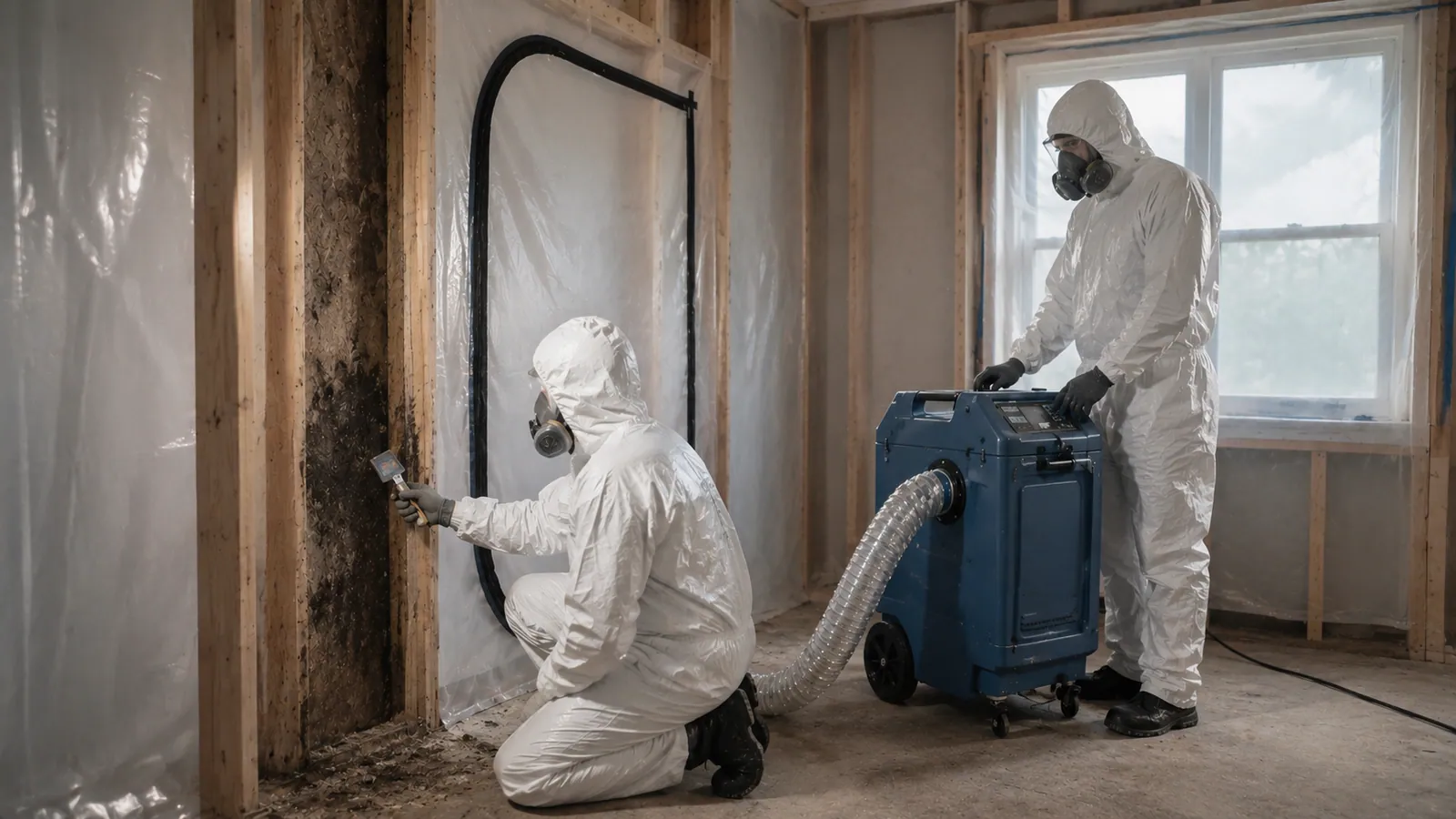
Before any aggressive cleanup begins, the affected area is sealed with 6-mil polyethylene barriers and zipper doors. HVAC supply and return registers in the contaminated zone are sealed shut. Negative air pressure is established using HEPA-filtered air scrubbers vented outside, ensuring aerosolized pathogens stay inside containment.
3. PPE and Worker Safety
Crew operates in full Tyvek suits, P100 respirators, nitrile gloves under heavy-duty work gloves, splash-resistant safety glasses or face shields, and disposable boot covers. This is OSHA-governed bloodborne pathogen exposure work, and shortcuts on PPE put workers and your household at risk.
4. Bulk Sewage Removal
Solid waste is shoveled or vacuum-removed and placed in heavy-mil biohazard bags. Liquid sewage is extracted using truck-mounted equipment dedicated to Category 3 work (we don't use the same trucks for clean-water and sewage jobs). All collected material is transported to permitted disposal facilities.
5. Removal of Contaminated Porous Materials
Drywall is cut to 24 inches above the visible contamination line. Soaked insulation is removed. Carpet and carpet pad are removed entirely from the contaminated area — there is no cleaning protocol that returns Category 3 carpet to safe condition. Baseboards, base cabinets, and any porous trim are removed. Soaked upholstered furniture, mattresses, and contaminated personal items are documented for insurance and disposed.
6. Hard Surface Cleaning
Concrete floors, finished hardwood, ceramic tile, sealed metal fixtures, and remaining hard non-porous surfaces are HEPA vacuumed, washed with detergent, rinsed, and then disinfected with EPA-registered hospital-grade disinfectant applied per label. Multiple passes. We don't move on until surfaces are clean to the touch and visibly residue-free.
7. Antimicrobial Application
Final pass of EPA-registered antimicrobial on framing, subfloor, and remaining surfaces inside containment. This kills residual pathogens and prevents microbial regrowth during the drying phase.
8. Structural Drying
Professional-grade dehumidifiers and air movers run inside containment for 3-7 days until framing and subfloor moisture content returns to dry standard. See structural drying for equipment specifics. Drying happens inside containment to prevent any residual aerosolized particulate from migrating.
9. Post-Cleanup Verification
For larger sewage events, ATP testing or third-party microbial verification confirms surfaces are returned to normal background contamination levels before reconstruction begins. Documentation is provided to homeowner and insurance carrier.
10. Reconstruction
New drywall, insulation, flooring, and trim installed. Reconstruction occurs only after the structure is verified clean and dry — never simultaneously with cleanup.
Signs You Need Emergency Sewage Cleanup
- Sewage water backing up through floor drains, toilets, tubs, or showers
- Strong sewage or rotten-egg smell in basement or near plumbing
- Visible solid waste or toilet paper in standing water
- Brown, gray, or black water appearing during heavy rain
- Multiple drains in the home backing up simultaneously (indicates main line issue)
- Septic system failure with surface ponding or backup into the home
- Toilet overflow that has spread beyond the bathroom
- Any water that has crossed soil or other grossly contaminated outdoor surfaces
Do not attempt DIY cleanup of any sewage event larger than a contained toilet overflow. Call us. Pathogen exposure during improper cleanup is a real, documented health risk.
Cost Factors and Insurance Considerations
Sewage cleanup in Cedar Rapids typically starts around $7,000 for a small basement event and runs $15,000 – $40,000+ for whole-floor contamination requiring full demo and rebuild. The higher cost compared to clean-water restoration reflects the additional protective equipment, dedicated equipment runs, EPA-registered chemicals, biohazard disposal, and longer total project timeline.
Critical insurance note:Standard Iowa homeowners insurance often excludes sewer backup unless you've added a sewer/drain backup endorsement to your policy. The endorsement typically costs $50-$120 per year and is well worth it given Cedar Rapids' sewer system reality. If you don't have the endorsement, sewage backup losses are usually out-of-pocket. Check your declarations page now, before you need it.
Why Choose Us for Cedar Rapids Sewage Cleanup
- IICRC S500 + S520 protocol training — the reference standards for Category 3 water and microbial remediation work.
- Dedicated Category 3 equipment — sewage and clean-water work never share trucks or extractors.
- OSHA bloodborne pathogen training for all field crew.
- EPA-registered hospital-grade disinfectants — not consumer bleach.
- Direct insurance billing for endorsed policies, and clear pricing for uncovered jobs.
Service Areas for Sewage Cleanup
We provide emergency sewage cleanup throughout Cedar Rapids and Linn County, with significant call volume in older neighborhoods prone to lateral-line backups and city main capacity issues — Southeast Cedar Rapids, Downtown Cedar Rapids, and parts of Marion. We also serve Northwest Cedar Rapids, Hiawatha, Robins, Ely, and Fairfax.