Sewage Backup in Cedar Rapids Home: What You Need to Know
Sewage backup is the worst type of water damage event a Cedar Rapids homeowner can face — not because of the volume of water, but because of what's in it. The water that backs up through floor drains, toilets, and shower drains is Category 3 black water in IICRC terminology, classified as grossly contaminated and requiring full hazmat protocols for cleanup.
This guide explains what's actually in sewage backup water, why DIY cleanup is genuinely dangerous, and what professional Category 3 cleanup involves.
What's In Sewage Backup Water
Black water from sewer backups, septic failures, or grossly contaminated water contains a documented mix of pathogens and contaminants:
- E. coli — bacterial gastrointestinal infections
- Hepatitis A — viral liver infection
- Rotavirus — severe gastrointestinal illness, especially dangerous to children
- Norovirus — highly contagious gastrointestinal illness
- Salmonella — bacterial gastrointestinal infections
- Giardia and Cryptosporidium — parasitic infections
- Helicobacter pylori — stomach ulcer-causing bacteria
- Endotoxins — bacterial cell wall components that cause fever and shock at high exposure
- Mold spores — sewage-contaminated areas develop mold rapidly
- Heavy metals — lead, cadmium, mercury depending on source
- Trace chemicals — pesticides, solvents, PFAS in agricultural and urban runoff
Disturbing established sewage contamination — by attempting DIY cleanup without containment — aerosolizes these pathogens through the rest of the home via foot traffic, fabric contact, and HVAC airflow. The contamination spreads beyond the original event area.
How Sewage Backups Happen in Cedar Rapids
Municipal Sewer Backups
Cedar Rapids' older sanitary sewer mains include sections of original early-20th-century clay-tile pipe in the older parts of town. These older mains have documented capacity issues during heavy rain events. Combined sewer mains carry both surface runoff and sanitary sewer in the same pipe; during 2+ inch rain events, capacity is exceeded and wastewater is pushed back through residential laterals into basements through floor drains and lower-level fixtures.
Residential Lateral Line Backups
The lateral line connecting your home to the city main can block independently of the city system. Common causes:
- Tree root intrusion — Bever Park and Mound View see this most. Roots find their way into joint gaps in clay-tile lateral lines and gradually clog the line.
- Grease accumulation — kitchen drain grease builds up and eventually blocks the line.
- Foreign objects— “flushable” wipes (which aren't actually flushable), feminine hygiene products, paper towels.
- Pipe failure — collapsed sections of clay tile in older homes.
Septic System Backups (Rural Properties)
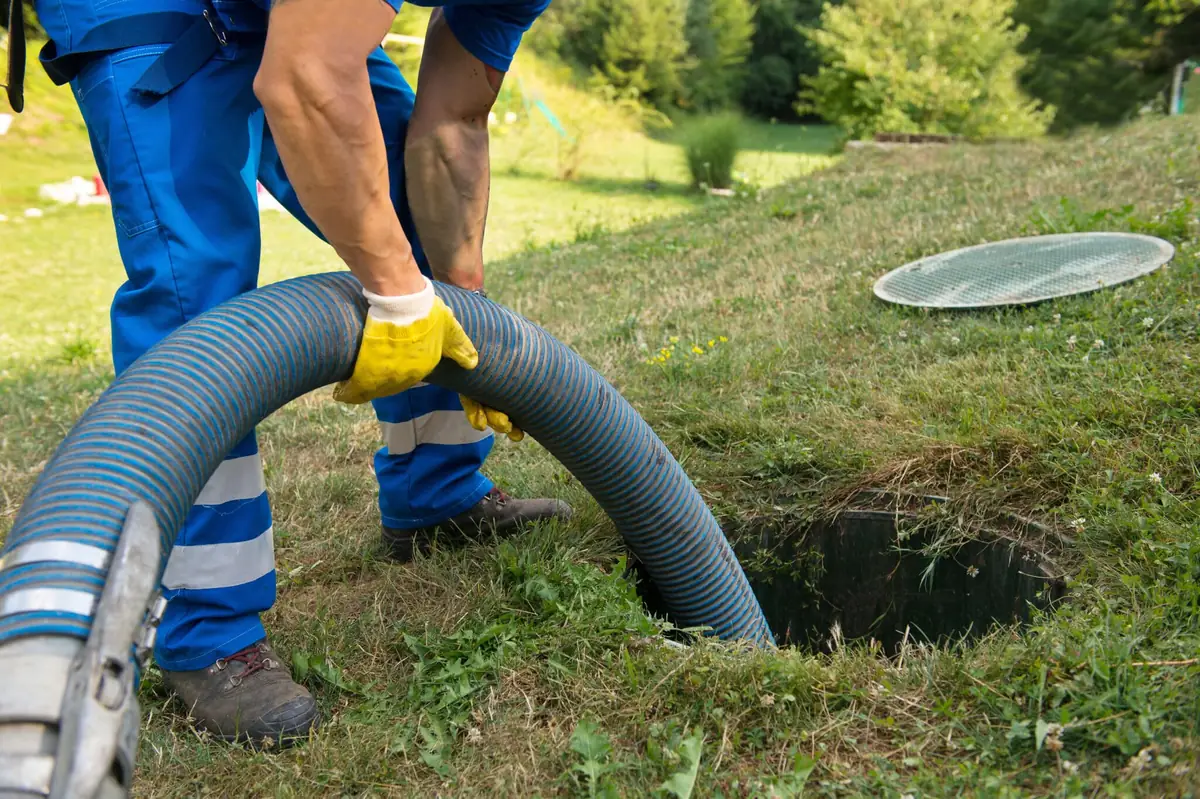
Properties on private septic systems back up when the drainfield is saturated, the tank is overdue for pumping, or the inlet baffle has failed. Same Category 3 contamination as municipal sewage backup; same cleanup protocols required.
Toilet Overflow with Solids
A clogged toilet that overflows can be a smaller-scale Category 3 event if solid waste is involved. Contained to a single bathroom, it may be DIY-able with proper PPE — but if the overflow has spread beyond the bathroom or into adjacent carpet, it's a professional job.
Why DIY Sewage Cleanup Is Dangerous
Several reasons:
- Pathogen exposure to family members. Without containment, you spread contamination throughout the home via foot traffic, fabric, and HVAC airflow.
- PPE inadequacy.Latex gloves and a surgical mask aren't enough. Real protection requires P100 respirators, full Tyvek suits, and proper decontamination protocols.
- Cleaning agents that don't work. Bleach kills surface pathogens but doesn't remove biological residue from porous materials. EPA-registered hospital-grade disinfectants are the standard, applied per label.
- Disposal compliance.Sewage-contaminated materials can't go in normal household trash in Iowa — they require proper disposal, sometimes as regulated waste.
- Inadequate drying. Without professional-grade dehumidification, residual moisture supports rapid mold growth on top of the original sewage damage.
What Professional Sewage Cleanup Involves
IICRC S500 protocols for Category 3 water — applied properly — are the difference between safe restoration and re-contamination. Detailed in our sewage cleanup page. The key elements:
- Containment with 6-mil polyethylene barriers
- Negative air pressure using HEPA-filtered air scrubbers
- Full PPE — P100 respirators, Tyvek suits, gloves
- Bulk waste removal with biohazard bagging
- Liquid extraction using dedicated Category 3 equipment
- Removal of porous materials — drywall, insulation, carpet, pad, baseboards
- Hard surface cleaning — detergent, rinse, EPA-registered disinfectant
- Antimicrobial treatment on framing and remaining surfaces
- Professional-grade drying until dry standard is met
- Post-cleanup verification — sometimes ATP testing or third-party microbial sampling
- Reconstruction after the structure is verified clean and dry
Insurance Coverage Reality
This is the biggest surprise for many Cedar Rapids homeowners:standard homeowners insurance in Iowa does not cover sewer backup unless you've added a specific endorsement.
The endorsement (sometimes called a sewer backup rider or Coverage D) typically costs $50-$120 per year and is one of the most cost-effective additions you can make to your policy — particularly given Cedar Rapids' demonstrated history of sewer system backups.
Without the endorsement:
- Cleanup cost is fully out-of-pocket
- Damaged contents are not reimbursed
- Reconstruction is not covered
- Average sewage backup costs $7,000-$25,000+
Check your declarations page now — before you have an event. If you don't see “sewer/drain backup” or similar language, contact your agent and add the endorsement. See our Iowa insurance claim guide for more on coverage.
Prevention
Cedar Rapids homeowners can reduce sewage backup risk through several practices:
Backflow Preventer Valve Installation
Mechanical valve installed on the lateral line that prevents wastewater from flowing backward into your home during municipal sewer overflow events. Cost: $1,500-$3,000 installed. Best protection available for homes in known overflow-prone neighborhoods.
Periodic Lateral Line Camera Inspection
Every 3-5 years, particularly in older homes with mature trees nearby. Camera inspection identifies root intrusion and pipe damage before they cause backups. Cost: $200-$500 per inspection.
Don't Flush Anything Beyond Toilet Paper
“Flushable” wipes aren't. They're a leading cause of residential lateral line clogs in Cedar Rapids. Same for paper towels, feminine hygiene products, and dental floss.
Address Tree Root Issues
If you have mature trees within 30 feet of your lateral line, consider preventive treatment. Some homeowners use root-killing treatments seasonally; others remove problem trees entirely.
Sewer Backup Endorsement on Insurance
$50-$120 per year. Most cost-effective sewage protection you can buy.
If You're Dealing With an Active Sewage Event
Don't attempt DIY cleanup. Don't walk through the affected area unnecessarily. Don't use the plumbing until the source is confirmed cleared. Call us 24/7 — same crews, same response times as any other water emergency, with the additional Category 3 protocols required for sewage work.