
Burst Pipe Emergency in Cedar Rapids: Step-by-Step Action Plan
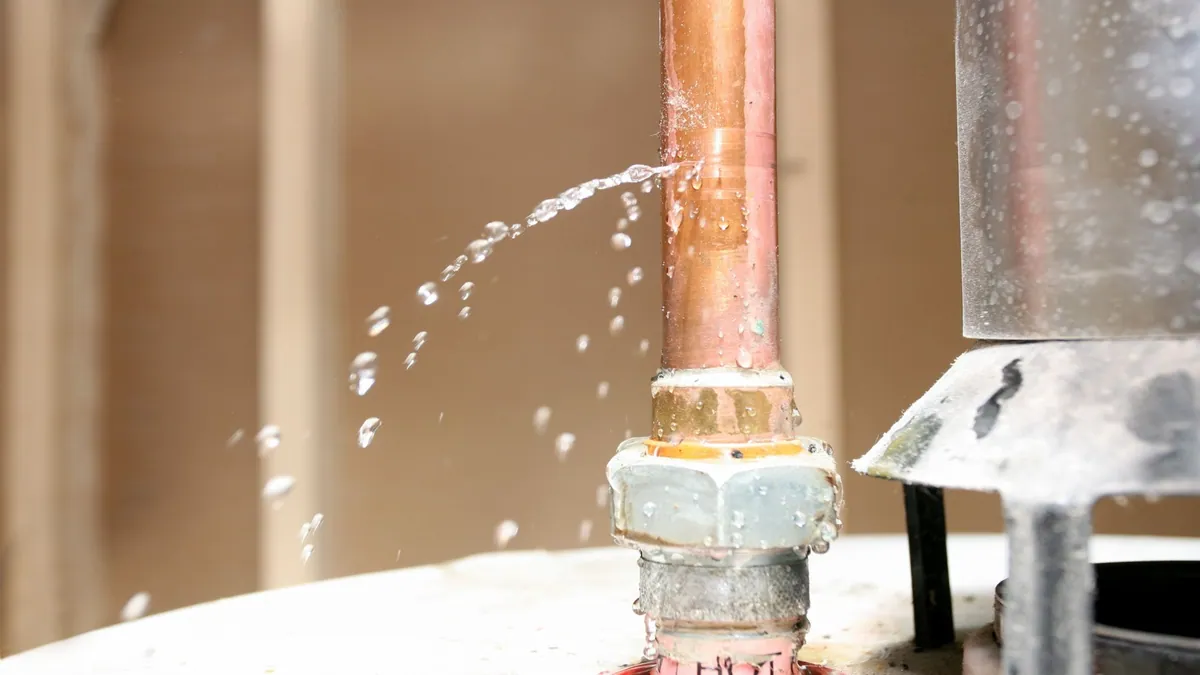
A burst pipe in your Cedar Rapids home is dumping 100+ gallons per hour into your walls, floors, and ceilings. Every minute matters. This is the exact action sequence we tell every homeowner to follow — the sequence that minimizes damage and sets up a successful restoration.
Minute 1-2: Shut Off the Water
The single most important action: stop the source. Find your home's main water shutoff valve. Locations:
- Most Cedar Rapids basements: near the front foundation wall where the city water service enters, often in a utility area near the water heater
- Slab-on-grade homes: usually a wall-mounted shutoff in the garage or utility closet
- Crawl-space homes: typically in the crawl space access or in an interior closet
- Apartments and condos: often in a utility closet, but may be only at the building level — check with property management
Turn the valve clockwise (right) until it stops. Wait 30 seconds; the flow should slow dramatically. If you can't find the main valve or it won't turn, shut off the water at the meter — this requires a meter key (a long wrench-like tool) and sometimes a call to Cedar Rapids Utilities (319-286-5900) for emergency shutoff.
For burst pipes serving a single fixture (a single toilet supply, dishwasher, washing machine), the dedicated shutoff valve at that fixture is faster than the whole-home main.
Minute 3-5: Cut the Power If Needed
Standing water near electrical outlets, appliances, or breaker panels is a real safety hazard. If water is spreading toward outlets or has reached any electrical equipment, shut off power to the affected circuits at the breaker box. If you're uncertain, cut power to the entire home — the cost of a few hours without electricity is much less than the cost of an electrocution.
Don't walk through standing water with bare feet anywhere near appliances or wiring until power is off.
Minute 5-15: Document the Damage
Before any cleanup begins, photograph and video the damage from every angle. Include:
- Wide shots of each affected room
- Close-ups of the actual burst pipe location
- Any damaged contents (furniture, electronics, personal items)
- Water on flooring (carpet, hardwood, tile)
- Water staining on walls or ceilings below the burst
Take a timestamped video as you walk through. This is the foundation of your insurance claim — adjusters will want to see the damage as it was.
Minute 15-30: Call for Help
First call: Insurance
Call your insurance company's claims line. Most major Iowa carriers (State Farm, Allstate, Farm Bureau, American Family) have 24/7 claims lines. You're reporting a loss and opening a claim file. The agent will give you a claim number and may dispatch an adjuster the next business day.
Second call: A restoration company
Call a local IICRC-certified restoration company. They'll provide a fast emergency response for true emergencies, document to insurance standards, and begin extraction as quickly as possible. Under Iowa law, you choose your contractor, not your insurance company.
Third call: A plumber (if needed)
Once the source is contained by the main shutoff, you may need a plumber to actually repair the burst pipe before water can be restored to the home. Some restoration companies coordinate this; others leave it to the homeowner.
Minute 30 to Hour 4: Mitigate What You Can
While waiting for professionals, do the following:
- Move what you can. Lift furniture off wet floors. Move books, electronics, and sentimental items to dry areas. Remove area rugs.
- Mop or wet-vac standing water.Don't worry about getting it perfect — just remove what you easily can to prevent further saturation.
- Don't lift wall-to-wall carpet. Wait for professionals — improper lifting damages the carpet.
- Open windows for ventilationif outdoor humidity is below 60%. In Iowa summer, this often isn't the case — keep windows closed and let professional dehumidifiers do the work.
- Run any fans you have. Box fans, ceiling fans, anything moving air helps surface evaporation.
- Check rooms below the burst.Water flows downward — basement and lower-floor ceilings often have damage that's less obvious than the upper-floor source.
Cedar Rapids-Specific Burst Pipe Patterns
Frozen Pipes (Winter)
December through February, frozen pipes are the dominant burst-pipe cause. Common failure locations: bonus rooms over garages, attic-run supply lines for upper-floor bathrooms, exterior wall plumbing in homes with kitchen islands. The actual rupture often happens during the thaw, not during the freeze, so homeowners discover the damage 12-48 hours after the cold snap ends. See our frozen pipes Iowa winter guide for prevention.
Galvanized Pipe Failures (Older Homes)
Pre-1970 Cedar Rapids homes — Czech Village, Bever Park, Mound View, parts of Marion Square — often still have original galvanized supply lines that have corroded for decades. Failures can be slow pinhole leaks (months of damage before discovery) or catastrophic ruptures.
Aging Supply Line Failures
Homes built in the 1990s-2000s are now reaching the failure age for original braided supply lines on washers, dishwashers, ice makers, and toilets. Many homeowners haven't replaced supply lines in 20+ years. These failures often happen overnight or while homeowners are at work, producing the largest losses.
What Your Restoration Crew Will Do
After the source is stopped and the area is documented, the restoration sequence:
- On-site assessment with moisture meters and thermal imaging
- Bulk water extraction from carpet, pad, and finishes
- Content pack-out for salvageable items
- Controlled demolition of unsalvageable wet drywall and insulation
- Antimicrobial treatment if water sat more than a few hours
- Professional-grade drying with air movers and LGR dehumidifiers (3-7 days)
- Daily moisture monitoring against IICRC S500 dry standard
- Reconstruction once dry standard is met
Detailed in our water extraction and structural drying pages.
Insurance Coverage for Burst Pipes
Burst pipe damage is generally covered under standard Iowa homeowners insurance — it's the textbook case of “sudden and accidental” water damage. Coverage typically includes:
- Water mitigation (extraction, drying, demo)
- Structural repair (drywall, paint, flooring, trim)
- Damaged contents (furniture, electronics, personal items)
- Additional living expenses if home is uninhabitable
Coverage typically excludes the cost of repairing the actual pipe — that's a maintenance/plumbing cost, not a water-damage cost. For frozen pipes specifically, some carriers may push back if heat was off in unoccupied portions of the home; document that the home was reasonably heated.
Don't Wait Until Morning
The single biggest mistake we see with burst pipes: homeowners who shut off the water at 1am and then wait until 8am to call for help. By morning, water has wicked into walls, soaked into carpet pad, and started the clock on mold growth. The cost difference between calling at 1am and calling at 8am can be thousands of dollars in scope expansion.
Our 24/7* line connects to our dispatch team. Fast emergency response across the Cedar Rapids metro, any time of day, any day of the year.