
What to Do in the First 24 Hours After Water Damage in Cedar Rapids
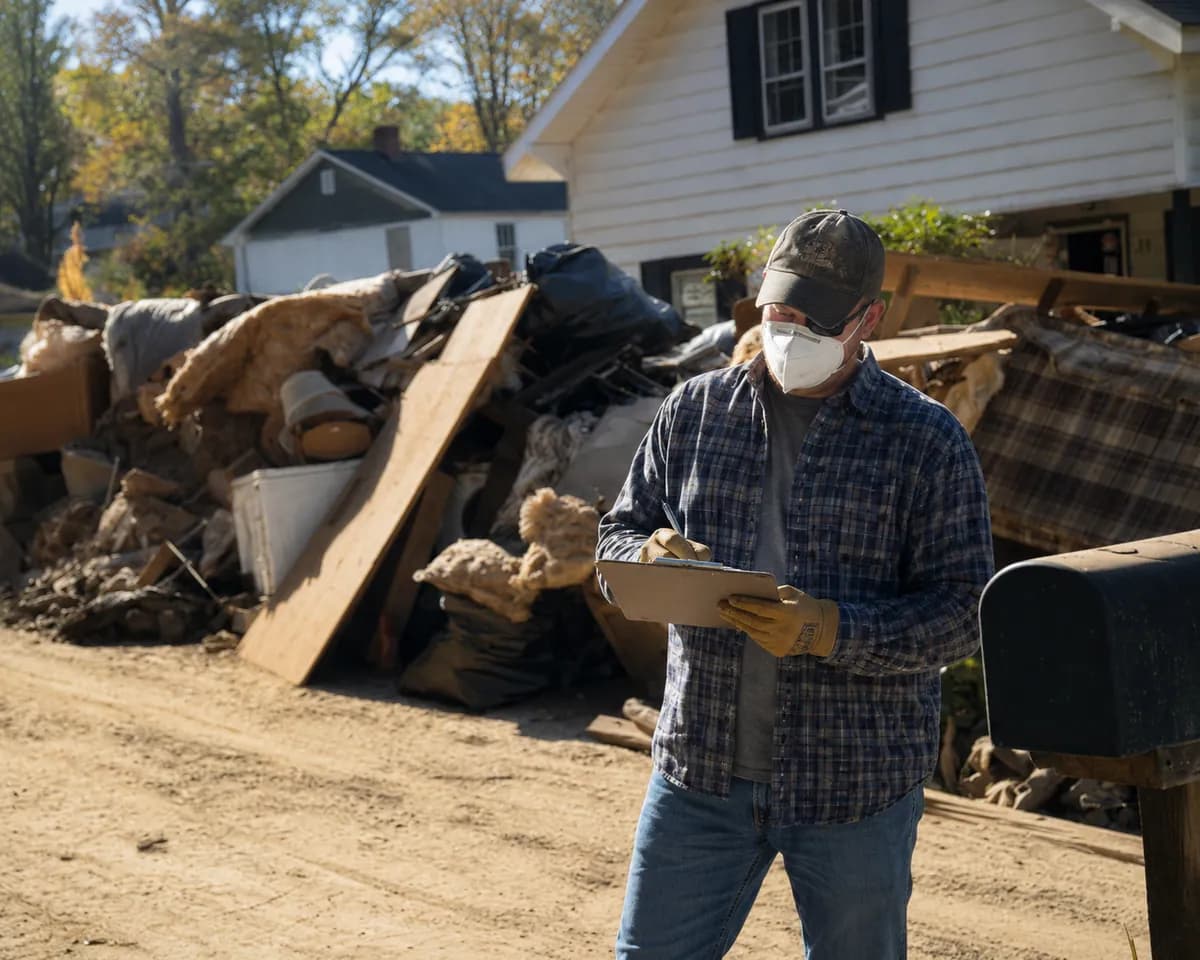
It's 11pm on a Tuesday in Cedar Rapids. You've just discovered water — coming up through the basement floor, dripping from a ceiling, pooling around the dishwasher, or standing where no water should be. The next 24 hours determine whether this becomes a $3,000 cleanup or a $30,000 reconstruction project.
We've worked thousands of Cedar Rapids water damage events across Czech Village, Marion, Hiawatha, and the surrounding metro, and the pattern is consistent: the homeowners who acted in the first hour saved themselves substantial money and stress. The homeowners who waited until morning often watched a manageable problem turn into a major restoration project.
This is exactly what to do — and not do — in that first day.
The First Hour: Stop the Damage From Spreading
Step 1: Find and Stop the Source (If You Can)
Before you do anything else, identify where the water is coming from. The most common sources we see in Cedar Rapids:
- Burst pipe: shut off the main water valve immediately. It's typically near the water meter — basement utility room, crawl space, or where the city water service enters the home.
- Failed appliance: shut off the appliance's dedicated valve (under sink for dishwasher, behind washer for laundry).
- Sump pump failure: if the pump has stopped working, you can't do much about the source — water is groundwater rising from outside. Focus on the next steps.
- Sewer backup: stop using all plumbing fixtures (don't flush, run water, or do laundry). Wait for professional cleanup.
- Roof leak: place buckets, but if the leak is active, the priority is getting a tarp on the roof — not a DIY job at night in heavy rain.
Step 2: Cut the Power If Water Is Near Outlets or Appliances
Standing water plus electricity is genuinely dangerous. If water is anywhere near electrical outlets, appliances, or the breaker panel itself, shut off power to the affected circuits at the breaker box — or to the whole house if you're uncertain. Do not enter standing water with bare feet if power could still be on.
Step 3: Move What You Can
Lift furniture, move books and electronics off the floor, and get anything sentimental (photos, documents, family items) out of the affected area first. Wood furniture legs sitting in water for an hour will soak up enough moisture to delaminate veneers and stain carpet underneath them with the wood's own dye.
Step 4: Document Everything
Before any cleanup begins, photograph and video the damage from every angle. Include wide shots and close-ups. Capture the source if visible. Take a timestamped video as you walk through. This is the foundation of your insurance claim — adjusters need to see the damage as it was, not as it's been mopped up.
The First Few Hours: Decision Time
Step 5: Decide Whether You Need a Professional
You need a professional restoration company if:
- Standing water covers more than 1-2 square feet
- Water has been sitting more than 1-2 hours
- The water source is contaminated (sewer, river, ground)
- Drywall, insulation, or framing is wet
- You smell anything foul, musty, or chemical
- Electronics, HVAC, or major appliances were affected
- You have any concerns about safety
For very small clean-water events (a glass tipped over on a kitchen tile floor, a sink overflow that you caught in 30 seconds), DIY cleanup with towels and a fan is fine. For anything bigger, the cost of professional mitigation is almost always less than the cost of a delayed cleanup.
Step 6: Call Your Insurance Company
Call the claims line on your insurance card. You're not committing to a claim yet — you're reporting a loss and opening a claim file. The agent will give you a claim number and may dispatch an adjuster. Most major carriers in Iowa (State Farm, Allstate, Farm Bureau, American Family, Liberty Mutual) have 24/7 claims lines.
Don't wait until morning to call — claim timing matters, and the longer you delay reporting, the more questions adjusters will ask about why mitigation took so long.
Step 7: Call a Restoration Company
Your insurance company may recommend a restoration company. You are not required to use them — under Iowa law, the choice is yours. Call a local IICRC-certified restoration company that you trust. They'll provide a fast emergency response for true emergencies, document the damage to insurance standards, and begin extraction as quickly as possible.
Hours 4-24: The Critical Window
Step 8: Start Removing Water and Drying What You Can
While waiting for professional help (or while doing limited DIY for very small events), start moving water out:
- Mop, bail, or wet-vacuum standing water
- Pull up area rugs and any non-attached carpet
- Open windows for cross-ventilation if outdoor humidity is below 60% — otherwise keep them closed
- Run any dehumidifiers and fans you have
- Don't lift up wall-to-wall carpet — leave that to professionals who can do it without damaging the carpet itself
Step 9: Check Hidden Water Locations
Water moves where you don't expect it. After you've addressed the obvious damage, check:
- Inside lower kitchen and bathroom cabinets
- Behind toe-kicks and baseboards (lift one to look)
- Under area rugs on hardwood floors
- Inside closets, especially closets sharing a wall with the source
- Below the affected area (basement ceiling if water came from upstairs)
- Inside the HVAC system if water flowed near supply vents
Step 10: Avoid These DIY Mistakes
Things we've seen homeowners do that made restoration worse:
- Using a household carpet steamer. It removes negligible water and pushes moisture deeper into pad and subfloor.
- Spraying bleach to "disinfect." Bleach doesn't penetrate porous surfaces and can complicate professional remediation.
- Closing up the affected area. Mold loves warm, dark, still air. Keep the space cool, dry, and ventilated until professionals arrive.
- Throwing things away too fast. Document everything before disposal — your insurance needs proof.
- Letting it sit until morning. The 12-hour wait turns a clean-water event into a mold remediation job.
Cedar Rapids-Specific Considerations
A few things specific to Cedar Rapids and Linn County to keep in mind:
- Sewer backup coverageis not in standard Iowa homeowners policies — you need a specific endorsement. Check your declarations page now if you haven't.
- Iowa winters bring frozen and burst pipes — supply lines in exterior walls, attics, and crawl spaces are the usual failure points, and these sudden failures are covered by standard homeowners policies.
- Sump pump failuresare sometimes excluded unless you've added a sump pump rider — check your policy.
- Older Cedar Rapids homes (Czech Village, Bever Park, Mound View) often have plaster walls, hardwood floors, and original plumbing that need specialty restoration approaches described in our older homes guide.
- Iowa humidity is high enough most of the year that mold growth is faster here than in drier climates. The 48-hour mold window matters more in Cedar Rapids than in, say, Phoenix.
What to Expect After the First 24 Hours
Once mitigation begins, expect equipment in your home for 3-7 days for typical residential losses. Professional-grade dehumidifiers and air movers run continuously. A technician will return daily to take moisture readings. Once readings hit IICRC S500 dry standard, equipment is removed and reconstruction can begin — if reconstruction is needed.
For more on what to expect throughout the project, see our guide on how long water damage restoration takes and our Cedar Rapids cost guide.
The Bottom Line
The first 24 hours after water damage are the difference between a manageable project and a major one. The action sequence: identify and stop the source, cut power if needed, document everything, call insurance, call a restoration company, ventilate and remove what water you can, avoid common DIY mistakes.
If you're reading this in the middle of a Cedar Rapids water emergency right now — call us. We're dispatched 24/7* for a fast emergency response across most of the metro.
Reference: The IICRC S500 Standard for Professional Water Damage Restoration is the industry reference document for water damage response protocols.