
Water Damage in Older Cedar Rapids Homes: Czech Village & Historic Districts
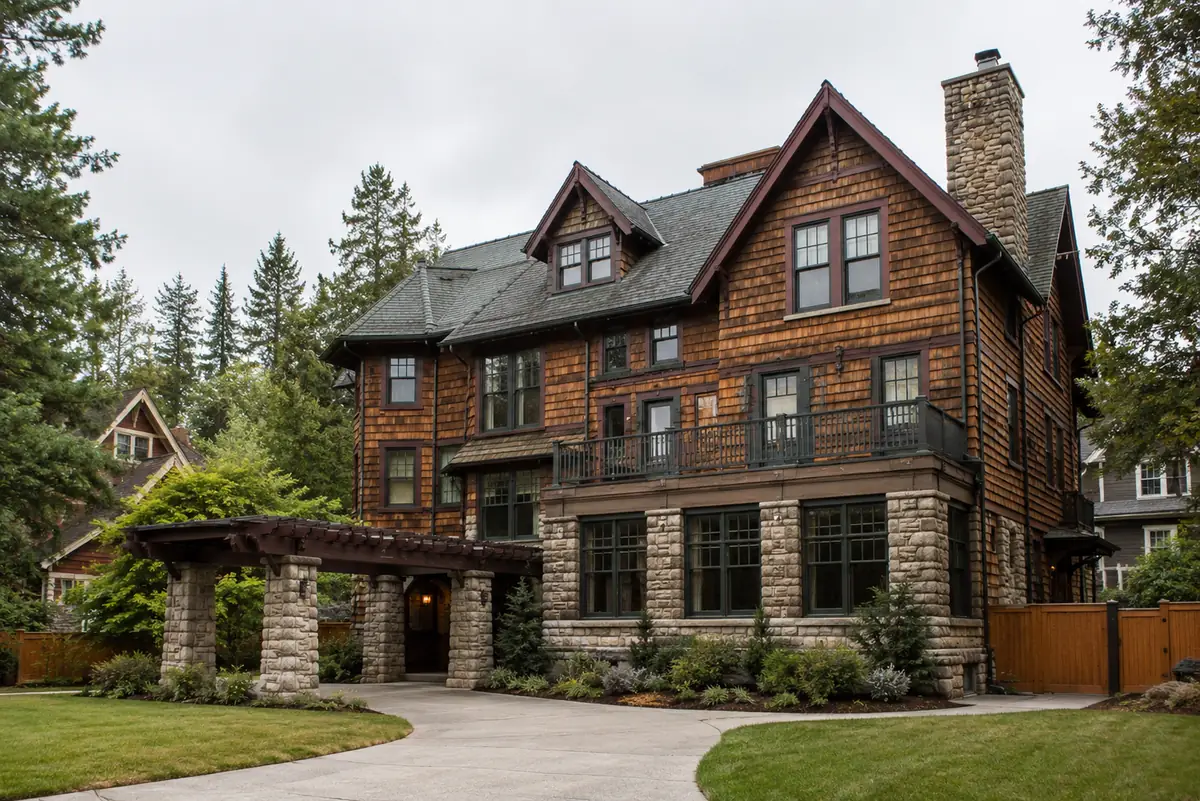
Cedar Rapids has substantial pre-1970 housing stock, particularly in the historic Czech Village neighborhood, the century-old homes of Bever Park and Mound View, the early 20th-century homes of Wellington Heights, and pockets of older construction throughout southeast Cedar Rapids. These homes have character and craftsmanship modern construction rarely matches — and they have specific water damage failure modes that newer homes don't.
Working older Cedar Rapids homes is its own discipline. Materials behave differently. Failure modes are different. Restoration approaches require different protocols. This guide covers what makes older Cedar Rapids homes specific and how restoration is done right when something goes wrong.
Older Cedar Rapids Homes: A Quick Overview
The neighborhoods where we do most of our older-home work:
- Czech Village — Bohemian-American immigrant community, homes mostly 1880s-1930s, along with the historic 16th Avenue corridor
- Time Check — historic neighborhood largely converted to greenway in the years since, though some original homes still stand
- Bever Park — early 1900s through 1930s craftsman, foursquare, and bungalow architecture
- Mound View — 1920s-1960s mix, including significant postwar construction
- Wellington Heights — early 20th century colonial and craftsman
- NewBo — historic homes and lofts mixed with rebuilt and new-build residential properties post-2008
- Marion Square area — 1900s-1940s small-town residential
Common Failure Modes in Older Cedar Rapids Homes
Galvanized Supply Line Failures
Pre-1970 homes typically used galvanized steel for hot and cold water supply lines. Galvanized pipe corrodes from the inside as zinc coating depletes — first reducing water pressure as the bore narrows, eventually rusting through the wall as either pinhole leaks or larger ruptures.
We see galvanized failures in three modes:
- Slow pinhole leaks behind walls — most insidious; can drip for months before discovery, producing significant mold and substrate damage
- Catastrophic ruptures at fitting joints — usually during temperature changes
- Pressure-related failures after pressure increases (after a city water main repair, for instance)
Restoration approach: remove affected drywall/plaster, document the failure for insurance, dry the substrate thoroughly, address any mold growth in the wall cavity, and coordinate plumbing replacement with a partner plumber. Most homeowners take the opportunity to replace galvanized sections (or whole-house) with PEX during the restoration.
Cast-Iron Drain Stack Failures
The same era of homes used cast-iron for vertical drain stacks. Cast-iron corrodes from the inside as well, and eventual failure dumps drain water (Category 2 or 3) into wall cavities. Failures happen most often during the morning shower hours when stack flow is heaviest.
Restoration approach: same as galvanized failures, with the added Category 2/3 protocols for the contaminated water. Stack replacement is usually mandatory — a failed cast-iron stack will fail again at a different point if not fully replaced.
Stone or Unsealed Concrete Foundations
Pre-1940s homes often have limestone, sandstone, or unsealed concrete foundations. These foundations are inherently porous and rely on damp-proofing rather than waterproofing for moisture management. Modern groundwater patterns (combined with mature tree root systems compromising original drainage) cause chronic basement seepage.
Restoration approach for active seepage: extraction, drying, and sometimes interior weeping tile retrofit during reconstruction. Long-term solutions involve exterior waterproofing (expensive, $10-25K) or interior drainage systems ($5-10K).
Plaster Wall Damage
Homes built before about 1955 typically have plaster-on-lath walls rather than drywall. Plaster handles water differently:
- Doesn't delaminate the way drywall paper does
- Can debond from lath when severely saturated
- Develops hairline cracks that telegraph water staining
- Hosts mold inside the lath cavity that's nearly invisible from the surface
Restoration approach: specialized moisture meters that don't require pin penetration into the plaster, gentle drying with appropriate equipment placement (high air velocity can damage already-compromised plaster), and invasive testing for hidden mold when wall cavity moisture readings indicate concerns.
Original Hardwood Floor Damage
Older Cedar Rapids homes often have original oak, maple, or pine hardwood floors with significant historic and monetary value. When water reaches the floor, fast specialty drying determines whether the floor survives.
Restoration approach: hardwood mat drying systems (Drymatic, Injectidry) pull water through tongue-and-groove gaps via vacuum suction. Cupping (edges higher than center) often relaxes back flat with proper drying. Buckling (boards lifting from subfloor) usually requires targeted board replacement and refinishing — but full replacement is rare when restoration starts within 24-48 hours.
Window and Flashing Failures
Original wood windows, period-appropriate flashing, and vintage window wells fail differently from modern equivalents. Wind-driven rain finds its way around aged sealants and through corroded flashing. The damage is usually progressive — small water staining over time, eventually evolving into wall damage.
Restoration Approach for Older Homes
Working older Cedar Rapids homes requires adjustments to standard IICRC S500 protocols:
Different Equipment
- Pin-less moisture meters that don't damage plaster
- Gentle air movement (avoid blowing plaster off lath)
- Hardwood specialty drying systems for original flooring
- Smaller, more targeted dehumidification setups for tight historic floor plans
Different Demolition Approach
We're more conservative with demolition in older homes — recognizing that original materials (lath, original flooring, period trim) are often irreplaceable. Cut and remove only what's absolutely necessary; dry in place when possible.
Period-Appropriate Reconstruction
Replacement materials matter. Where modern construction accepts standard contractor-grade trim, baseboards, and flooring, older homes often need:
- Tall baseboards (5-7 inches) instead of standard 3-1/4 inch
- Original-profile crown moulding
- Hardwood flooring matched to original species and width
- Plaster repair rather than drywall replacement when feasible
- Period-appropriate door hardware, window components, and trim
Insurance carriers usually cover “like kind and quality” replacements, but this requires documentation — adjusters need to see what was there before.
Insurance Considerations for Older Homes
Three common challenges:
- Replacement cost vs. actual cash value (ACV). Some carriers default to ACV settlements on older homes, which depreciates the value of damaged materials. RC coverage ensures full replacement; check your policy.
- Period-appropriate material allowances. Adjusters sometimes estimate at standard contractor-grade materials when restoration requires period-appropriate replacement. Documentation of original materials and a credible contractor estimate addresses this.
- Recurring water history. Older homes with multiple past water claims may face non-renewal or coverage limitations. Address underlying issues (galvanized replacement, foundation drainage) to break the cycle.
See our Iowa insurance claim guide for general claim handling.
Prevention for Older Cedar Rapids Homes
The most cost-effective preventive investments:
- Whole-house repipe if galvanized supply lines are still in place ($4,000-$10,000 for typical home)
- Cast-iron stack inspection via camera scope — replace when degradation is significant
- Foundation drainage improvements — downspout extensions, regrading, and exterior or interior waterproofing as appropriate
- Sump pump with battery backup for any finished basement
- Sewer backup endorsement on insurance policy
- Annual basement humidity check — keep below 60% RH year-round with dehumidification if needed
- Comprehensive insurance documentation — photos, video walkthrough, inventory of original materials and finishes
For Older Home Restoration
We've been working older Cedar Rapids homes for years — Czech Village 1900s craftsman, Bever Park 1920s foursquare, Mound View 1940s ranch, century-old Marion Square colonials. See our southeast Cedar Rapids and downtown Cedar Rapids area pages for the neighborhoods where we do most of this work.