
Wet Drywall in Cedar Rapids: When Drying in Place Makes Sense and When It Does Not
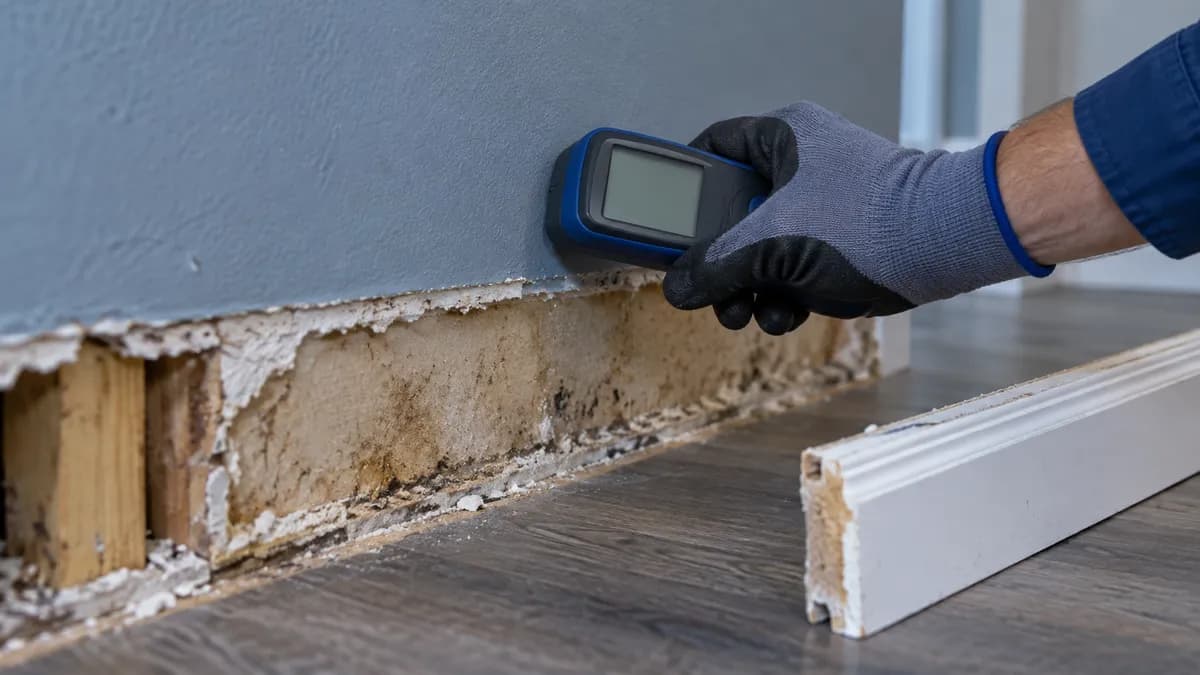
After a pipe or appliance leak, one contractor may recommend drying the wall while another proposes removing it. The difference should come from assessment findings, not from which option is easier to sell. Ask each provider what they know about the board and the space behind it.
For Cedar Rapids homeowners, that means separating three questions: whether the source is resolved, whether the material remains suitable to retain, and whether the cavity can be assessed and dried.
Begin with condition, not stain height
A visible water mark helps locate the investigation. It does not establish the full wet area or an appropriate cut height. Photograph the affected wall and look for visible changes without pressing on weak material or opening it yourself.
- Swelling or loss of firmness.
- Separating joints or changed seams.
- Bubbling finish or damaged paper facing.
- Damp trim and adjoining flooring.
- Visible growth or a persistent odor near the affected section.
Tell the assessor which changes you noticed and when. If the leak was hidden behind a cabinet, make that location part of the access discussion rather than assuming the exposed wall represents everything.
When drying in place can be considered
The EPA's material guidance allows consideration of drying drywall in place when there is no obvious swelling and seams are intact. It also emphasizes drying the wall cavity when possible. This is conditional guidance, not a promise that every wall can stay.
Ask how the provider will assess the cavity and verify progress. A proposal should explain what equipment or access is needed, what limitations exist, and what findings would change the plan. If those answers are missing, the recommendation is incomplete.
What can make removal necessary
Deterioration, affected insulation, contamination, suspected growth, or an inaccessible wet assembly can change the scope. The assessor should distinguish removing unsalvageable board from opening an area to gain access. Those are different reasons and deserve separate explanations.
If removal is proposed, ask the provider to mark the planned extent and document the findings behind it. Also ask who handles the subsequent finish work. Water damage assessment and rebuilding are separate responsibilities even when a provider coordinates both.
What moisture readings can and cannot tell you
Ask where readings were taken, which instrument was used, and what comparison areas were checked. A handheld meter is evidence-gathering equipment; a photograph of its screen without material or location context is a weak report.
Readings should be interpreted with the assembly and instrument in mind. Nearby metal and differences in material can affect the interpretation of some instruments. If a reading is surprising, ask how the assessor checked it before approving more invasive work.
Include insulation, trim, and the floor connection
A drywall decision should not stop at the painted face. Ask about insulation, the bottom wall plate, trim, and the floor at the wall base. If the room is above another finished room, ask whether the assembly below should be assessed too.
Our ceiling leak guide explains that second-room question. For affected wood flooring, the floor cupping guide covers the handoff to a flooring specialist.
Do not cover an unresolved problem
New paint, caulk, trim, or cabinets can hide the evidence you still need to assess. Before covering the wall, ask for a written account of the source work, retained materials, removed materials, drying findings, and unresolved areas.
If there is visible mold, the EPA's homeowner guidance advises addressing mold and drying before painting. Have the relevant provider assess the condition rather than treating a coating as remediation.
How to describe the problem when you call
Tell the provider whether the wall is firm or visibly deteriorating, whether the source is still active, and whether cabinets or electrical fittings limit safe access. Share photographs but expect the final recommendation to require assessment of the actual materials.
Call Cedar Rapids Water Damage Pro to discuss residential water damage cleanup or structural drying with a participating provider. Scope and appointment availability vary with the property and provider.
Questions homeowners ask
Can wet drywall be dried without removing it?
Sometimes. Board condition, intact seams, cavity access, contamination, and assessment findings determine whether drying in place is practical.
Does the visible water line show where drywall should be cut?
No. The line is one observation. Moisture findings, material condition, and access needs should guide the planned extent of removal.
Can I cover the wall once the paint looks normal?
First obtain findings for the retained materials and cavity. A normal-looking finish does not resolve inaccessible or unmeasured areas.