
Wet Carpet and Padding After a Leak: A Cedar Rapids Homeowner Decision Guide
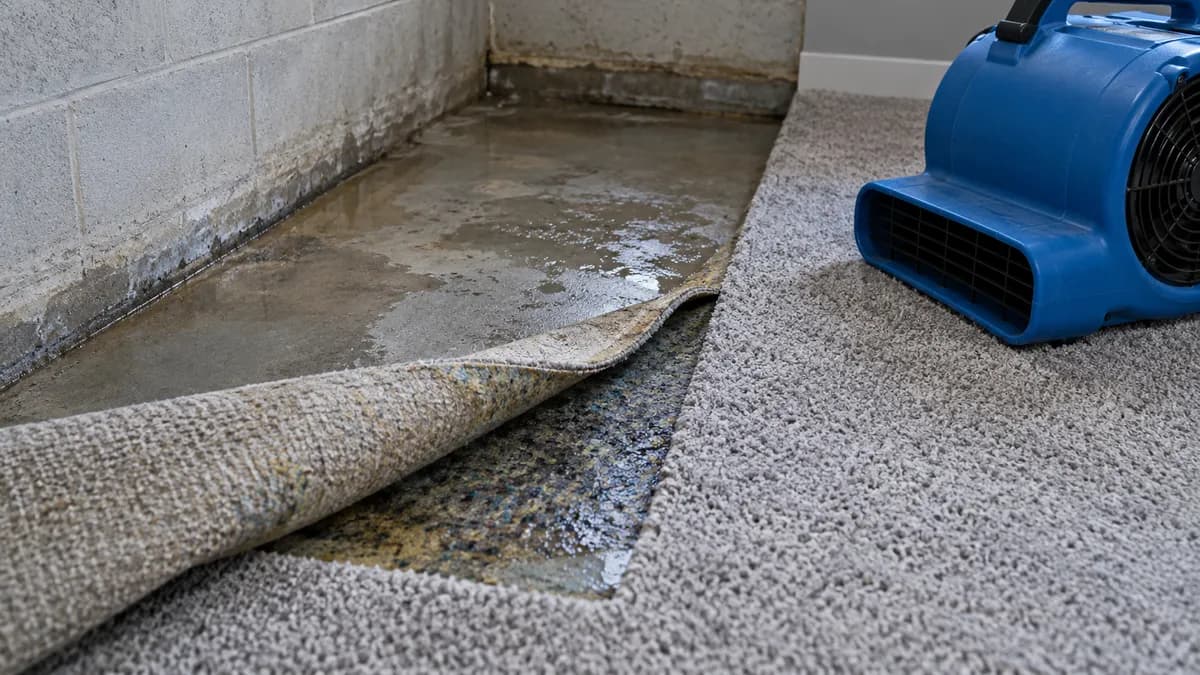
You have removed the visible water from a carpeted room, and the surface is starting to feel normal. That is encouraging evidence about the surface only. The padding, tack strips, baseboards, and floor underneath still need their own assessment.
This guide is for residential plumbing and appliance leaks in Cedar Rapids. It helps you ask better questions about the materials in the room without treating every wet carpet as either recoverable or disposable.
Give the assessor the water source and history
A broken supply connection is different from water that has passed through dirty equipment or sat unnoticed. Tell the provider what failed, how you discovered it, and what cleaning or equipment you have already used. If the duration is unknown, say so.
Do not describe the water as clean solely because it looks clear. An assessor should consider the source, affected materials, and time history. These details can change the handling and material decisions.
Check the layers rather than the footprint
Ask for the assessment to cover the carpet backing, padding, floor, and adjoining wall edges. Include transitions into closets or neighboring rooms. Furniture may conceal part of the affected area, so flag anything that has not been moved or checked.
The EPA's carpet guidance explains that water extraction alone does not dry a carpet assembly. Padding and the underlying floor also need attention. This is the technical reason a dry-feeling carpet surface cannot close the job by itself.
- Is the padding still wet, deteriorated, or affected by contamination?
- Can the floor underneath be accessed and measured?
- Are tack strips and wall edges affected?
- Did water reach a closet or doorway transition?
- What supports the decision to retain or remove each layer?
Do not lift a large carpet section without a plan
Carpet installation can involve sharp tack strips, heavy furniture, and product-specific handling. If the affected area is substantial or the source is uncertain, let the assessor explain the access plan. Keep children and pets out of the work area.
Moving a heavy sofa onto unaffected carpet can also move moisture or dirt. Ask where belongings should go and which parts of the room will stay usable. A clear room plan is more useful than buying another fan before anyone has assessed the assembly.
Keeping the carpet does not mean keeping every layer
Ask the provider to give separate recommendations for carpet, padding, and supporting material. A blanket instruction to keep everything or discard everything is hard to evaluate unless it comes with reasons.
Condition, bonding, contamination, access, and product guidance all matter. If the carpet can remain but padding is removed, ask how the floor will be checked before reinstallation. If the backing is separating or the product has changed dimension, ask a flooring specialist to evaluate its installation suitability.
When an odor changes the conversation
A lingering musty odor deserves investigation rather than fragrance. Record where it is strongest and whether it changes with the room being closed or equipment running. The odor alone does not tell you which material is responsible.
The EPA's homeowner guidance notes that mold-affected porous materials such as carpet may be difficult to clean completely. If there is visible growth or suspected hidden growth, discuss that finding with a mold remediation provider before disturbing the material.
Questions before furniture goes back
- Which layers were checked and which were retained?
- What measurements support the drying conclusion?
- Were adjacent wall bases and transitions evaluated?
- Are any odor or inaccessible-material questions unresolved?
- Does the retained carpet need a flooring specialist's review?
Keep the assessment notes with your photographs. If a different trade reinstalls the carpet, give them the findings so they know what was removed and what remains.
Getting the right help in Cedar Rapids
For water that reached carpet and padding, ask about water extraction followed by an assessment of the affected assembly. The existing basement drying guide covers the wider room considerations.
Call Cedar Rapids Water Damage Pro to describe the room, source, and carpet layers affected. Calls may connect you with participating service providers; scheduling and the appropriate scope depend on the assessment and availability.
Questions homeowners ask
Is a dry carpet surface enough to move furniture back?
Check the padding and underlying floor as well as the surface. Ask for the assessment findings before covering the area again.
Does wet padding always mean the carpet must be discarded?
The layers need separate assessment. Source, contamination, product condition, and access guide the recommendation for each material.
Should I run fans on carpet with suspected mold?
Discuss suspected mold with a qualified provider before disturbing it or using equipment that could move material into other areas.