
Water Damage from Roof Leaks: Cedar Rapids Spring Rain Season
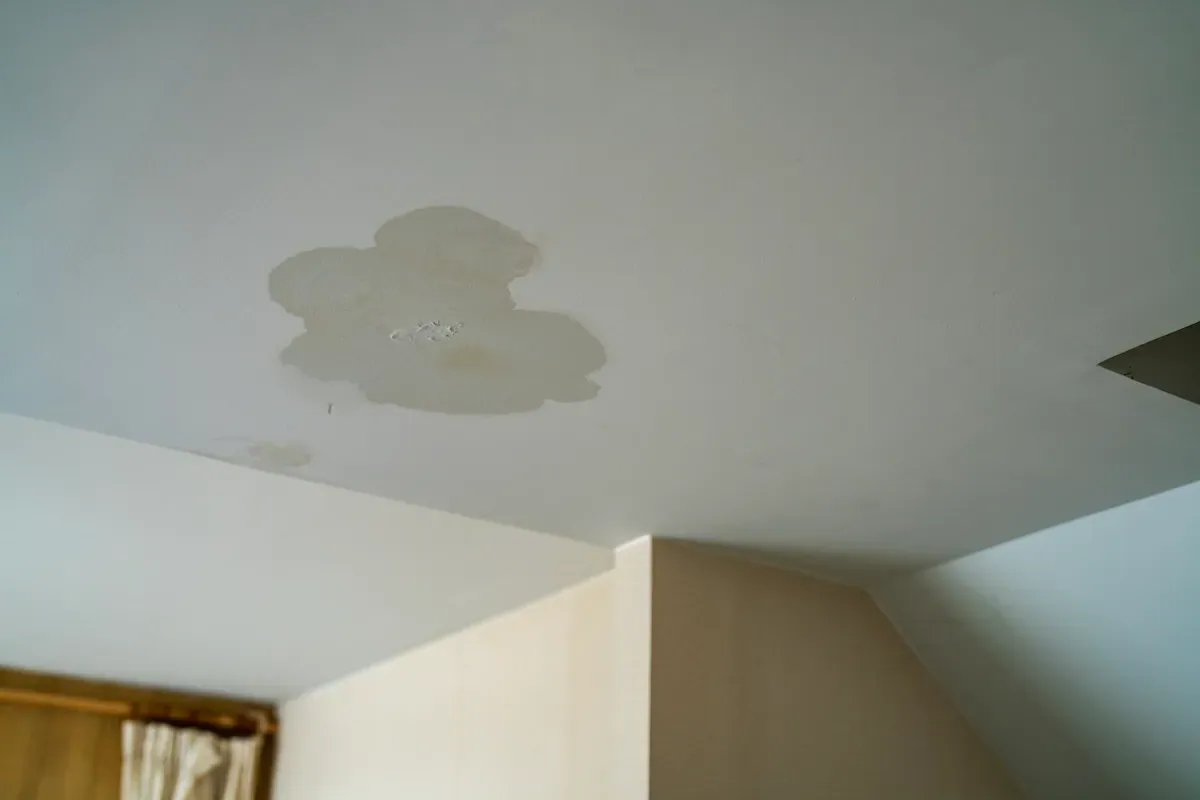
Iowa's spring rain season produces roof leaks across Cedar Rapids every year. Spring brings heavy rainfall with wind and hail; summer adds severe weather and occasional tornadic events; fall produces wind-driven rain that finds compromised flashing; winter generates ice damming on snow-loaded roofs. Each season has its own pattern, and each leak has the potential to turn into significant interior water damage if not addressed quickly.
Cedar Rapids Roof-Leak Patterns by Season
Spring Rain and Wind Damage (March-May)
Cedar Rapids spring rain season produces:
- High winds (50+ mph gusts) that lift shingle edges and damage flashing
- Hail in marble-to-golf-ball sizes that compromises shingle granules and impact-rated areas
- Wind-driven rain that exploits any weakness in the roof envelope
- Occasional severe weather including tornadic events
Damage from these events often isn't immediately visible from the ground. Inspection from a roof or by a roofer afterward catches issues before they leak.
Summer Severe Weather (June-August)
Summer adds derecho-class events (a 2020 derecho with 140+ mph winds caused billions in Iowa damage), heavy rain events with embedded high winds, and hail events that have repeatedly damaged Cedar Rapids roofing fleets.
Fall Wind and Rain (September-November)
Fall produces sustained wind events with cooler-temperature rain that exploits any compromised flashing. The cumulative wind load on aging roofing systems often produces failure in fall, even without single severe events.
Winter Ice Dams (December-February)
Iowa winter snow loads on roofs, combined with attic heat loss, create ice dams. Snow melts at the warm portion of the roof, refreezes at the cold eave, and creates an ice dam that traps subsequent meltwater. Trapped water backs up under shingles and into roof sheathing, eventually finding its way into ceilings and walls. Ice dam damage is typically discovered as ceiling staining in late winter or early spring.
Where Roof Leaks Show Up Inside Your Home
Water from a roof leak follows gravity, but not necessarily directly downward. It flows along rafters, drips from the lowest point of a beam, runs along wiring, and exits where it can. The visible interior damage may be feet from the actual leak source.
Ceiling Staining
The most common indicator. Brown or yellow rings on ceilings, sometimes with crackling paint or visible bulging. Look up from the room directly below the suspected leak area; check adjacent rooms; check rooms one floor below.
Wall Damage
Water that runs down rafters can exit at the wall-ceiling junction and run down behind drywall. Telltale signs: water staining at the top of walls, paint bubbling along the wall-ceiling line, or staining around windows on the wall directly below an attic-adjacent area.
Attic Damage
Often the first place to detect leaks. Periodic attic inspections (twice a year) catch issues before they show up as interior damage. Look for: damp insulation, water staining on rafters or roof sheathing, daylight visible through any roof opening, mold growth on framing.
HVAC Damage
Air handlers in attics or on rooftops can be damaged by active roof leaks. Damaged HVAC then distributes moisture and contamination through the ductwork — sometimes the first noticed sign is an unusual smell from the supply registers.
Electrical Issues
Water in wall cavities or attics near wiring is a serious safety concern. Shorts, GFCI tripping, or unexplained electrical issues during or after a rain event warrant immediate professional inspection.
What to Do When You Find a Roof Leak
Step 1: Manage Interior Water
- Place buckets or large containers under active drips
- Use towels to absorb pooled water
- If water is bulging a ceiling, carefully puncture the lowest point with a screwdriver to release the pressure (otherwise it falls all at once and damages more area)
- Move furniture and contents away from affected areas
- Document with photos and video before any cleanup
Step 2: Call a Roofer for Emergency Tarping
For active leaks during heavy rain, the priority is preventing further water entry. Reputable Cedar Rapids roofing contractors offer 24/7 emergency tarping. Don't attempt DIY roof work during active rain — it's dangerous and most insurance policies exclude self-injury during weather response.
Step 3: Call Your Insurance Company
Sudden roof damage from covered weather events is typically covered. Open a claim and schedule an adjuster visit. Document the weather event (NOAA reports, news coverage, neighborhood damage photos) — this supports the claim's relationship to a specific weather event.
Step 4: Call a Restoration Company for Interior Damage
Once the roof is temporarily secured, interior water damage needs mitigation. Affected ceilings, insulation, and walls require:
- Moisture mapping with thermal imaging
- Removal of saturated insulation
- Drying of remaining structure
- Mold prevention or remediation if growth has started
- Reconstruction (drywall, paint, ceiling tile, etc.)
Step 5: Schedule Permanent Roof Repair
Tarping is temporary. Permanent repair — often requiring new shingles, flashing, sheathing, or in totaled cases full roof replacement — should be scheduled as soon as conditions allow. For wind or hail damage, this is usually bundled into the same insurance claim covering interior damage.
Insurance Coverage for Roof Leaks
Iowa homeowners insurance typically covers roof leaks caused by:
- Wind damage during covered weather events
- Hail damage
- Falling objects (tree limbs, debris)
- Sudden roof failure during a covered event
- Ice dam damage (in some policies — check yours)
Generally not covered:
- Wear and aging deterioration
- Inadequate maintenance
- Pre-existing damage
- Damage that developed gradually (slow leaks unrecognized for years)
- Damage from improper original installation
Documentation is critical. After major wind or hail events, take photos of your home (roof, gutters, siding) within a few days. Keep records of professional roof inspections. If damage is found later, you have evidence connecting it to a specific event. See our Iowa insurance claim guide for general claim handling.
Cedar Rapids-Specific Roof Considerations
Older Cedar Rapids Homes
Czech Village, Bever Park, Mound View, and similar older neighborhoods often have multi-layered roofing systems (newer shingles installed over older layers), original chimney flashings, and historic fascia/soffit details that present specific failure modes. Period-appropriate repair is sometimes required for historic homes.
Hail Damage in Cedar Rapids
Cedar Rapids has experienced major hail events repeatedly. After major hail events, post-event inspections are essential — hail damage often isn't visible from the ground but degrades shingle granules in ways that accelerate aging and produce leaks 1-3 years later.
2020 Derecho Lingering Effects
The August 2020 derecho damaged or destroyed substantial portions of Cedar Rapids tree canopy and produced widespread roof damage. Some properties still show residual issues from that event — failed repairs, hidden damage that's now manifesting, or roofing systems that were marginally repaired and are now failing.
Ice Dam Patterns
Cedar Rapids' cold winters produce reliable ice dam events most years. Older homes with limited attic insulation are most vulnerable. Modern homes with proper attic ventilation and insulation see fewer events.
Prevention
Roof leak prevention investments that pay off in Cedar Rapids:
- Annual roof inspection by a qualified contractor — particularly after major wind or hail events
- Gutter cleaning twice yearly (spring, late fall)
- Attic insulation meeting current Iowa code (R-49 minimum) to prevent ice dams
- Soffit ventilation to keep attic cool and reduce ice dam formation
- Tree maintenance — trimming branches that contact or hang over the roof
- Documentation of pre-event roof condition (annual photos)
- Quality replacement when roofing reaches end of life — impact-rated shingles for Cedar Rapids hail patterns
For Roof-Caused Interior Water Damage
We work with most major Cedar Rapids roofing contractors on wind, hail, and rain-damage projects, providing the interior mitigation and restoration while they handle the exterior repair. See our water extraction and structural drying pages for the interior scope.