
Hidden Water Damage Signs: Cedar Rapids Homeowner Checklist
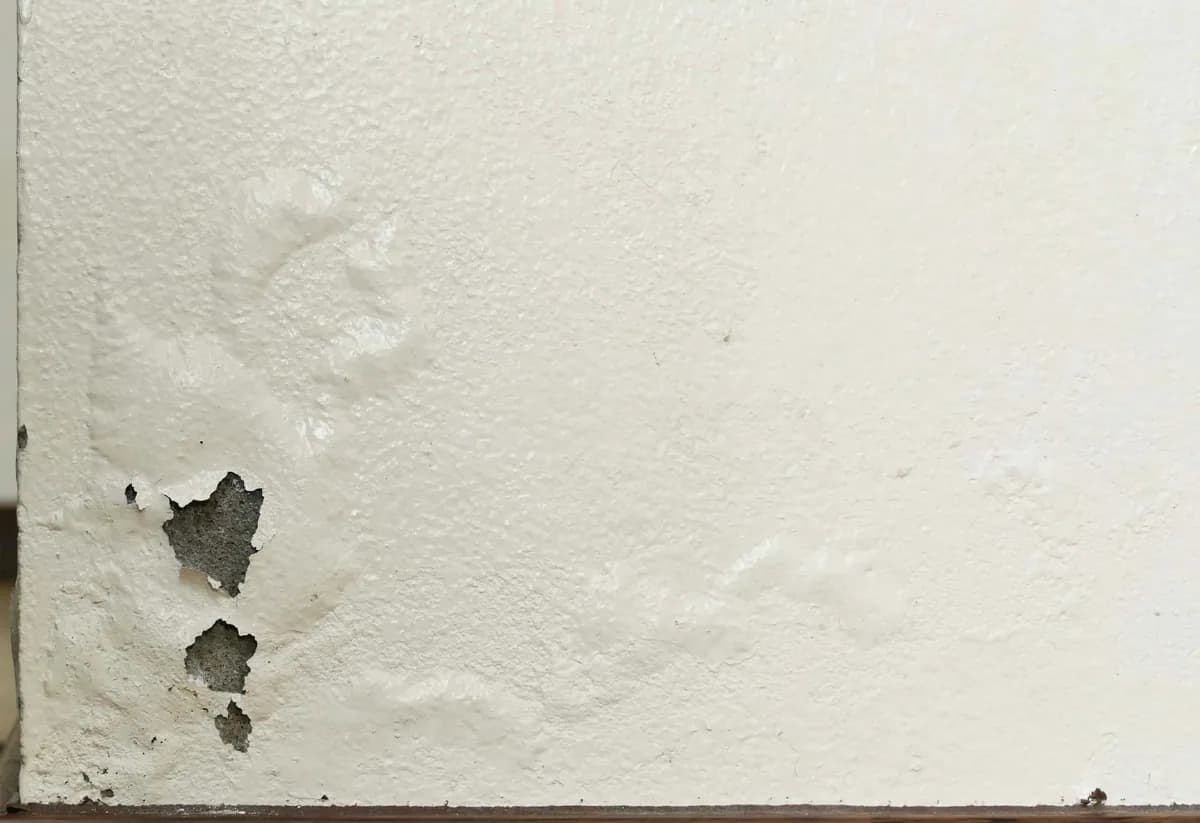
The water damage you can see is rarely the worst part. The slow leak behind a wall, the gradual seepage through a foundation crack, the chronic condensation in a poorly ventilated bathroom — these produce more total damage than the dramatic burst pipes and rain-driven flooding combined, because they go undetected for weeks or months while the damage compounds.
This guide is the inspection checklist every Cedar Rapids homeowner should run through periodically — and especially before buying a home, after a major rain event, or when something just doesn't feel right.
The 12 Signs of Hidden Water Damage
1. Musty Smell With No Obvious Source
The most reliable indicator. Mold and mildew produce characteristic odors that the human nose detects at concentrations far below what's visible. If a room consistently smells musty — especially when the door has been closed for hours — there's moisture somewhere you haven't found.
Common Cedar Rapids sources: basement humidity, wall-cavity leaks behind kitchen or bathroom plumbing, attic moisture from roof leaks, HVAC condensate issues.
2. Paint or Wallpaper Bubbling
Paint that's lifting in distinct bubbles or wallpaper that's separating from drywall usually indicates moisture pressure from behind the surface. It can be acute (recent leak still active) or chronic (months of slow moisture).
3. Discolored Stains on Walls or Ceilings
Brown, yellow, or rust-colored rings on ceilings or upper wall sections — especially with sharp boundaries — indicate water has passed through that area. Even if the stain looks dry, the underlying material may not be. Evaporated water leaves the dissolved minerals as the characteristic ring.
4. Soft Spots in Drywall
Press gently on drywall in suspect areas. Solid drywall feels firm. Water-damaged drywall feels spongy, flexes under pressure, or has visible texture changes. Soft drywall always indicates substantial moisture exposure.
5. Warped, Cupped, or Buckled Hardwood Floors
Cedar Rapids' older homes often have original hardwood floors. Cupping (edges higher than center) indicates moisture coming from below — usually a leak in a basement or crawl space directly underneath. Buckling (boards lifting from subfloor) indicates more severe and longer-duration moisture exposure.
6. Efflorescence on Basement Walls
White, powdery deposits on basement walls (concrete, stone, or block) are mineral crystals left behind by water that has migrated through the masonry. Efflorescence indicates chronic moisture migration even if the wall surface currently looks dry. Common in older Cedar Rapids basements and homes with marginal foundation waterproofing.
7. Mold Growth in Unexpected Places
Visible mold or mildew on baseboards, behind furniture, inside cabinets, on the back side of curtains, or on cardboard boxes in storage areas — these all indicate higher-than-normal humidity in their immediate area, often from hidden moisture sources.
8. Increased Water Bills With No Explanation
Track your water consumption month-over-month. A sudden sustained increase without changes in household usage often indicates a hidden leak — slab leak (rare in Cedar Rapids), underground supply line break, or interior pipe failure you haven't found visually yet.
9. Sounds From Inside Walls
Dripping, running water, or gurgling sounds inside walls when no fixtures are running indicate active leaks. Listen carefully near plumbing chases and walls shared with bathrooms or kitchens.
10. Foundation or Floor Cracks
New cracks in basement walls or floors can indicate hydrostatic pressure from saturated soils — pressure that eventually causes seepage if not already happening. Existing cracks that are getting wider over time indicate ongoing moisture or settlement issues.
11. Higher-Than-Normal Indoor Humidity
Most Cedar Rapids homes should run 30-50% RH year-round with HVAC. Persistent humidity above 60% indoors — especially in winter when outdoor air is dry — indicates a moisture source. Could be HVAC malfunction, cooking and bathing without proper ventilation, or hidden water damage contributing humidity.
12. Health Symptoms That Improve When You're Away From Home
Recurring respiratory symptoms (coughing, congestion, asthma flares, headaches) that improve when you're away from the home and return when you come back can indicate indoor air quality issues — often connected to hidden mold from undiscovered water damage.
Where Hidden Water Damage Hides in Cedar Rapids Homes
Behind Kitchen and Bathroom Walls
Plumbing chases run behind walls in kitchens and bathrooms. Pinhole leaks from galvanized supply lines (in older homes) or failed appliance supply lines drip into wall cavities for months before discovery.
Inside HVAC Ducts and Around Air Handlers
Condensate from air handler drain pans can leak into adjacent floor structure. Disturbed insulation around ducts can hide ongoing moisture issues. HVAC-related water damage often presents as ceiling staining below the equipment.
Under Sinks and Behind Toilets
Slow leaks at supply line connections, drain trap joints, or wax ring seals (under toilets) accumulate moisture without immediate visible damage. The cabinet floor or subfloor under fixtures rots gradually.
Around Basement Windows and Window Wells
Water that enters through compromised basement window flashing or fills window wells during rain events can damage the framing and lower drywall around the windows — often invisible until soft spots or mold appear.
Behind Refrigerators and Dishwashers
Ice maker supply lines, dishwasher inlet lines, and condensate drains can drip behind appliances for months. Pull appliances out periodically to check the floor and wall behind them.
In Attics
Roof leaks often show up in the attic before they reach ceilings. Periodic attic inspection (twice a year) catches issues early. Look for: damp insulation, water staining on rafters, daylight visible through roof openings, mold on framing.
In Crawl Spaces
Vented crawl spaces can have plumbing leaks that go undetected because nobody crawls in there. Conditioned crawl spaces are less prone but still possible. Periodic crawl space inspection catches these issues.
Annual Inspection Checklist
Once a year, walk through your home with this checklist:
- Open every cabinet under sinks; look at the cabinet floor and back wall for staining or moisture
- Pull refrigerator out; check the floor and wall behind
- Pull dishwasher out (if accessible); check connections
- Run hot water and look at supply line connections in basement
- Check around the base of every toilet for water staining or soft floor
- Look at the ceiling under every bathroom on a lower floor
- Inspect the attic — visual scan, moisture readings if equipped
- Check basement walls for new cracks or efflorescence
- Test the sump pump (pour 5 gallons of water in)
- Check basement humidity with a hygrometer (target below 60% RH)
- Run all faucets and check for slow drips at connections
- Check around the water heater for any signs of failure
What to Do When You Find Hidden Damage
If your inspection reveals signs of hidden water damage:
- Don't open walls yourself. DIY investigative demolition can spread contamination, damage adjacent areas, and create insurance claim complications.
- Document what you observed with photos and notes — when discovered, what you saw, what made you suspect water damage.
- Call a restoration company for assessment. Professional thermal imaging and moisture detection can map damage non-invasively. Most reputable Cedar Rapids restoration companies provide no-obligation assessments.
- Don't ignore it. Hidden damage continues compounding. The earlier you address it, the smaller the eventual project.
- Address the source first. Mitigation without source repair (the leaky pipe, the failed flashing, the cracked foundation) is just delaying the next event.
Why Older Cedar Rapids Homes Have More Hidden Damage
Pre-1970 homes — Czech Village, Bever Park, Mound View, Wellington Heights, Marion Square — face elevated hidden- damage risk because of:
- Original galvanized supply lines that fail as pinhole leaks
- Cast-iron drain stacks that corrode internally
- Plaster walls that hold moisture differently than drywall
- Foundation systems with damp-proofing rather than waterproofing
- Original window flashings approaching end of service life
See our older Cedar Rapids homes guide for the specific failure modes and mold remediation page for what hidden damage often turns into.
Professional Hidden Damage Detection
Tools we use for non-invasive damage mapping:
- Thermal imaging cameras — find temperature differentials caused by moisture (wet materials are cooler than dry)
- Pin and pinless moisture meters — quantify moisture content without invasive testing
- Hygrometers — track ambient humidity patterns that suggest hidden sources
- Borescope cameras — visual inspection inside wall cavities through small inspection holes when needed
- Air sampling for mold spore counts when contamination is suspected
No-obligation assessments are available across Cedar Rapids, Marion, Hiawatha, and the rest of Linn County. If you suspect hidden water damage, the diagnostic call costs nothing — and frequently turns up issues that catch the damage before it requires major restoration.