
Musty Smell After a Plumbing Leak in Cedar Rapids: Where to Look Before Repainting
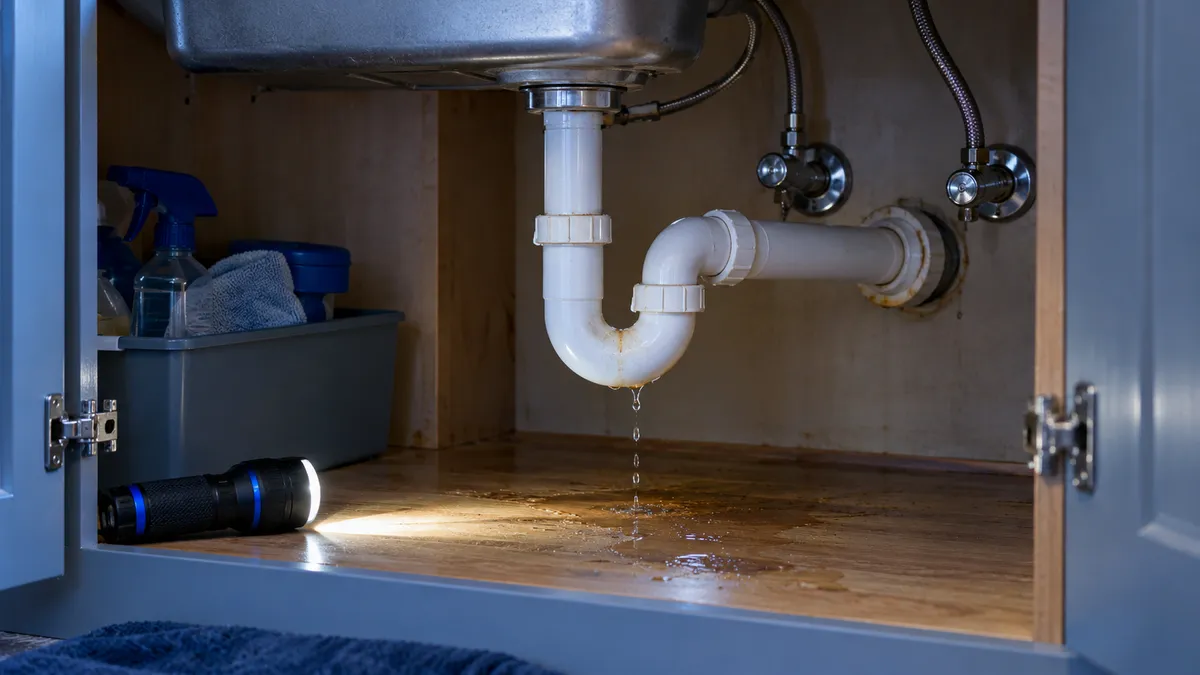
The plumber has stopped the leak. The floor looks better. But opening the cabinet or entering the room still brings a musty smell. That is a reason to investigate the affected materials, not to add fragrance and declare the room finished.
An odor does not identify a specific organism, prove a health diagnosis, or tell you exactly how much material is affected. It can help you describe a pattern that a moisture or mold assessor should investigate.
Write down where and when the odor appears
Start with a simple record. Is it strongest inside the cabinet, at the wall base, near a carpet edge, or in the room below? Does it become noticeable when a door has been closed? Did it begin after this leak, or was it present before?
These are clues, not verdicts. Keep the record alongside leak photographs and the plumber's findings. It is more useful to say that the smell is strongest below the sink than to tell a contractor that the entire house must have hidden mold.
- Record the affected room and nearby enclosed spaces.
- Note whether the odor changes between visits.
- Keep the source and discovery history.
- Identify any material that was covered before it was assessed.
- List drying or cleaning work already attempted.
Check safe, accessible places first
From a dry and safe position, photograph visible cabinet bases, trim, flooring transitions, and accessible rooms below. Look for fresh dampness, swelling, staining, or continued dripping. Do not remove wallboard or pull apart a suspect assembly just to follow the smell.
If the source may still be active, return to that question first. A drying plan cannot compensate for a continuing supply leak. Our appliance leak article and shutoff planning guide cover common source discussions to have with the appropriate trade.
Ask what was checked behind the visible surface
Review the earlier drying work. Were only exposed surfaces checked, or did the assessment include padding, cabinet bases, insulation, and the wall-to-floor connection? Were access limits documented? A missing record does not prove hidden damage, but it does leave an unanswered question.
The EPA's homeowner mold guide discusses hidden growth behind surfaces and the need to address moisture. If suspect material must be opened, discuss handling and containment with the provider before disturbing it.
A moisture assessment and mold assessment answer different questions
A moisture assessment investigates where affected material is still damp and how the source and drying plan should be addressed. A mold assessment considers suspected or visible growth and the appropriate next steps. Depending on the findings, a provider may recommend further specialist involvement.
Ask what the proposed visit will actually cover. Will the assessor examine the leak area and comparison locations? Will they document accessible material? What will they do if suspected growth is found? What remains outside the visit? Clear scope prevents a vague inspection from being sold as a complete answer.
Do not use paint or perfume as the test
Masking the odor makes the room harder to evaluate. Repainting can hide staining before anyone documents it. The better checkpoint is whether the source has been addressed and the affected materials have been assessed with findings you can review.
The EPA's cleanup guidance advises against painting over mold. If material is visibly affected, have the provider explain the cleanup or removal recommendation before covering it.
Questions that keep the visit useful
- Which material or location explains the concern?
- Is the source still active or unresolved?
- What measurements and observations support the findings?
- What access is needed to answer the remaining questions?
- How will completion be documented?
There may be more than one source of an indoor odor. If the leak area checks out, ask what further building or mechanical assessment makes sense instead of insisting that the original leak must explain everything.
Discussing the next step in Cedar Rapids
Call Cedar Rapids Water Damage Pro to discuss a moisture and drying assessment or mold remediation with a participating provider. Describe the source history and the specific odor location. Provider availability varies, and the assessment should determine the scope rather than a diagnosis made over the phone.
Questions homeowners ask
Does a musty smell prove there is mold?
No. An odor is a reason to investigate moisture and affected materials. It does not establish the source, extent, or a specific diagnosis.
Should I open a wall to follow the smell?
Discuss suspected hidden growth and access with a qualified provider before disturbing material. Opening an assembly without a handling plan can create additional problems.
What should I tell the provider when I call?
Explain the leak history, where the odor is strongest, what was already dried or cleaned, and which areas remain inaccessible.