
Shower Leaks and Subfloor Damage: The Slow Leak You Cannot See
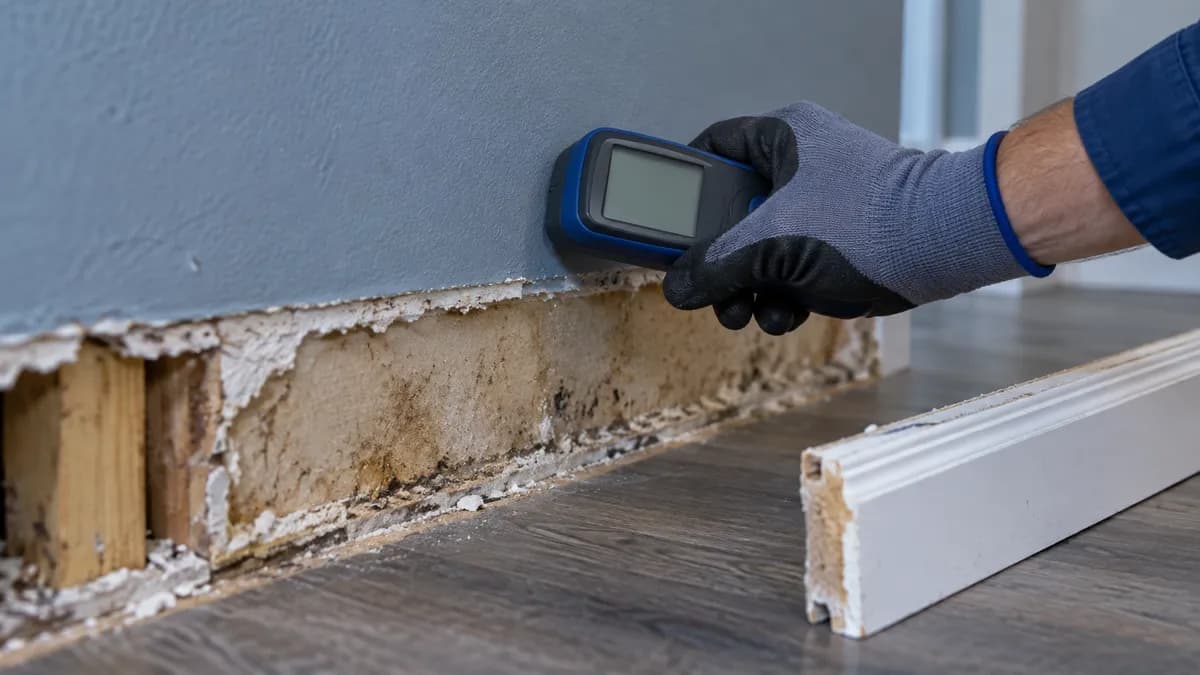
Shower leaks are slow. A cracked grout line or a worn seal lets in a little water every time someone showers, and it soaks into the floor and walls where nobody can see it. By the time a stain appears on the ceiling below or a tile comes loose, the subfloor may have been wet for months.
In Cedar Rapids, many upstairs bathrooms sit over a living room or kitchen, and many basement bathrooms were added later over a concrete slab or a framed floor. Both set up the same problem: water collecting where it cannot dry.
Where Shower Water Gets Out
- Cracked or missing grout and caulk, especially at the corners and where the wall meets the tub or pan.
- A failed shower pan or liner under a tiled floor. Older pans can crack or corrode, and water that gets past the tile has nowhere to go.
- The drain connection. A loose or cracked drain body leaks a little with every shower.
- The valve and shower head. A leak behind the wall at the valve or the shower arm runs down inside the wall cavity.
- Splash-out. Water sprayed past a curtain or door and left on the floor soaks into gaps along the tub.
Warning Signs
- Tiles that feel loose or sound hollow when tapped
- Grout that stays dark for hours after a shower
- A soft or bouncy spot in the floor beside the tub or shower
- Paint peeling or bubbling on the wall outside the shower
- Stains on the ceiling directly below the bathroom
- A persistent musty smell even when the bathroom is clean
That smell is often the first clue. See musty smell after a plumbing leak.
A Simple Test
With the shower dry, plug the drain and fill the pan or tub floor with an inch or so of water. Mark the water line and leave it for a few hours. If the level drops, or a stain appears below, the pan or drain is leaking. If not, run water on the walls only and watch the ceiling below. This narrows down where the water is getting out.
What the Damage Looks Like Underneath
Long-term leaks soak the plywood or OSB subfloor, the floor joists and the insulation and drywall below. Wet wood loses strength, swells and can start to rot. Mold grows on the back of the ceiling drywall and on the framing. None of this shows on the bathroom side until it is well along.
A restoration crew uses moisture meters and thermal imaging to map the wet area from above and below. Our hidden water damage signs guide explains how that works.
Fixing It in the Right Order
- Stop using the shower until the source is found.
- Find and fix the leak. That may mean regrouting, recaulking, replacing a drain or rebuilding the pan, which is plumbing or tile work.
- Dry or replace the wet materials. Sound subfloor can often be dried in place. Soft or rotted subfloor and mold-affected drywall are removed. See structural drying.
- Deal with any mold found on framing or drywall before anything is closed up. See mold remediation.
Retiling over a wet subfloor only hides the problem. The floor has to be dry, confirmed with a meter, before new tile or a new pan goes in.
Insurance and Slow Leaks
Many homeowners policies treat a slow, ongoing shower leak differently from a sudden pipe burst, and some exclude damage that developed over a long time. Read your policy, photograph everything and talk to your agent. See water damage insurance claims in Iowa.