
Basement Humidity and Mold: Keeping a Cedar Rapids Basement Dry
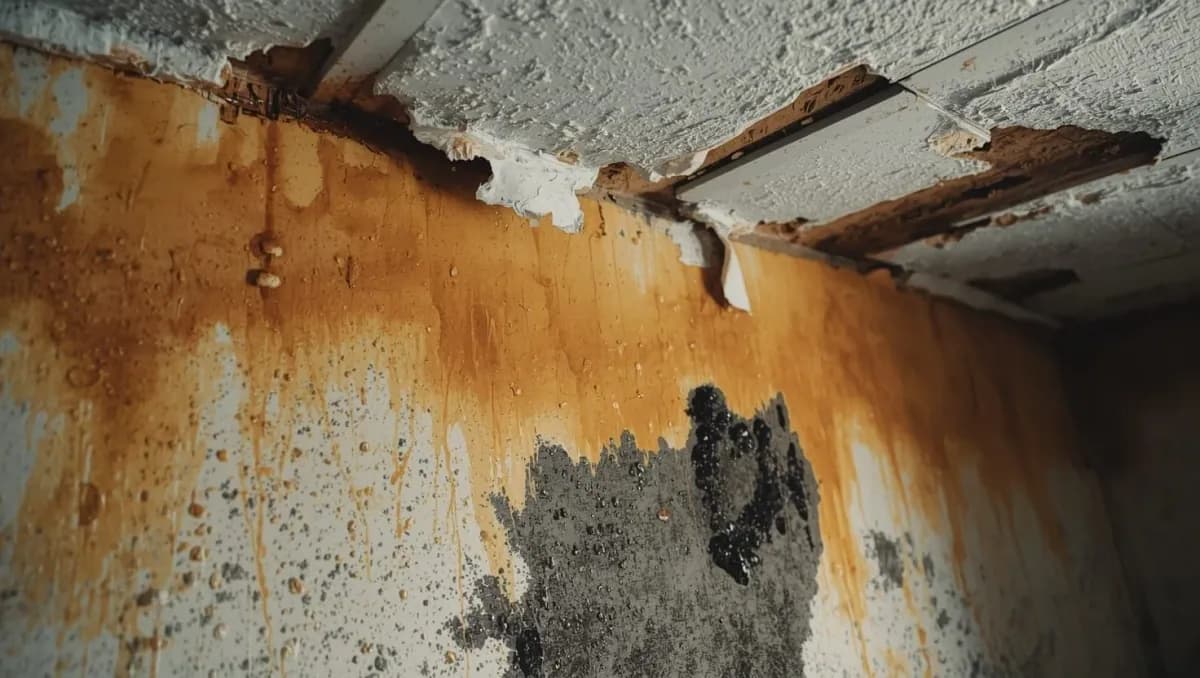
Eastern Iowa summers are humid. On a muggy July day in Cedar Rapids, the air outside is full of moisture, and when that air reaches a cool basement, some of it condenses on the walls, the floor and the cold water lines. Over a season, that moisture can be enough to grow mold on drywall, carpet, stored boxes and wood framing, with no leak at all.
This guide explains how humidity and mold work in a basement, how to tell condensation from a real water problem, and when a damp basement needs more than a dehumidifier.
Why Basements Get Damp
- Condensation. Basement walls and floors stay cool because they are in contact with the ground. Warm, humid air that touches them drops below its dew point and leaves water behind.
- Moisture through concrete. Concrete is porous. Even without a crack, ground moisture moves slowly through foundation walls and slabs.
- Household sources. Laundry, an unvented dryer, a basement shower and an aquarium all add water to the air.
- Leaks and seepage. Plumbing leaks, a failing sump pump or water entering after heavy rain. These are water problems, not just humidity problems.
Condensation or a Leak?
A simple test: tape a square of plastic wrap or foil tightly to a damp section of foundation wall and leave it for a day or two.
- Moisture on the room side of the plastic means condensation from humid indoor air.
- Moisture under the plastic, against the wall, means water coming through the concrete from outside.
Pipes that sweat and drip in summer are another common source of mystery puddles. Insulating cold water lines often solves it.
Where Basement Mold Shows Up First
- The bottom few inches of finished drywall
- Carpet pad, especially in corners and against outside walls
- Cardboard boxes stored on the floor
- The wood sill plate on top of the foundation wall
- Behind furniture pushed tight against an outside wall
- Under stairs and in closets with no air movement
A musty smell is often the first sign, before any mold is visible. See musty smell after a leak.
Controlling Humidity
- Measure it. A basic hygrometer shows the relative humidity. Aim to keep it below about 60 percent, and ideally between 30 and 50 percent.
- Run a dehumidifier sized for the space, with the drain hose routed to a floor drain or sump so it runs continuously.
- Keep basement windows closed on humid summer days. Opening them lets in more moisture, not less.
- Vent the dryer outside and keep its duct sealed.
- Move things off the floor and a few inches away from outside walls so air can circulate.
- Keep gutters and downspouts working so rainwater ends up away from the foundation.
When It Is More Than Humidity
A dehumidifier controls the air. It cannot dry carpet pad, drywall or framing that is being soaked from a leak, a failed sump pump or water coming through the foundation. Call for an assessment if:
- Mold covers more than a small patch or keeps coming back after cleaning
- Carpet or drywall feels damp to the touch
- There is a water line, stain or efflorescence on the walls
- The basement had a leak or water event in the past
A restoration crew measures moisture in the materials, finds the source, removes what cannot be saved and dries the rest. Mold growth is removed under containment following IICRC S520 protocols. See mold remediation and basement water damage.
For water that arrives after a wet spell, see basement water after heavy rain, and for the difference between fixing the cause and cleaning up the result, see waterproofing vs. restoration.