
Pinhole Leaks in Copper Pipes: Hidden Water Damage in Cedar Rapids Homes
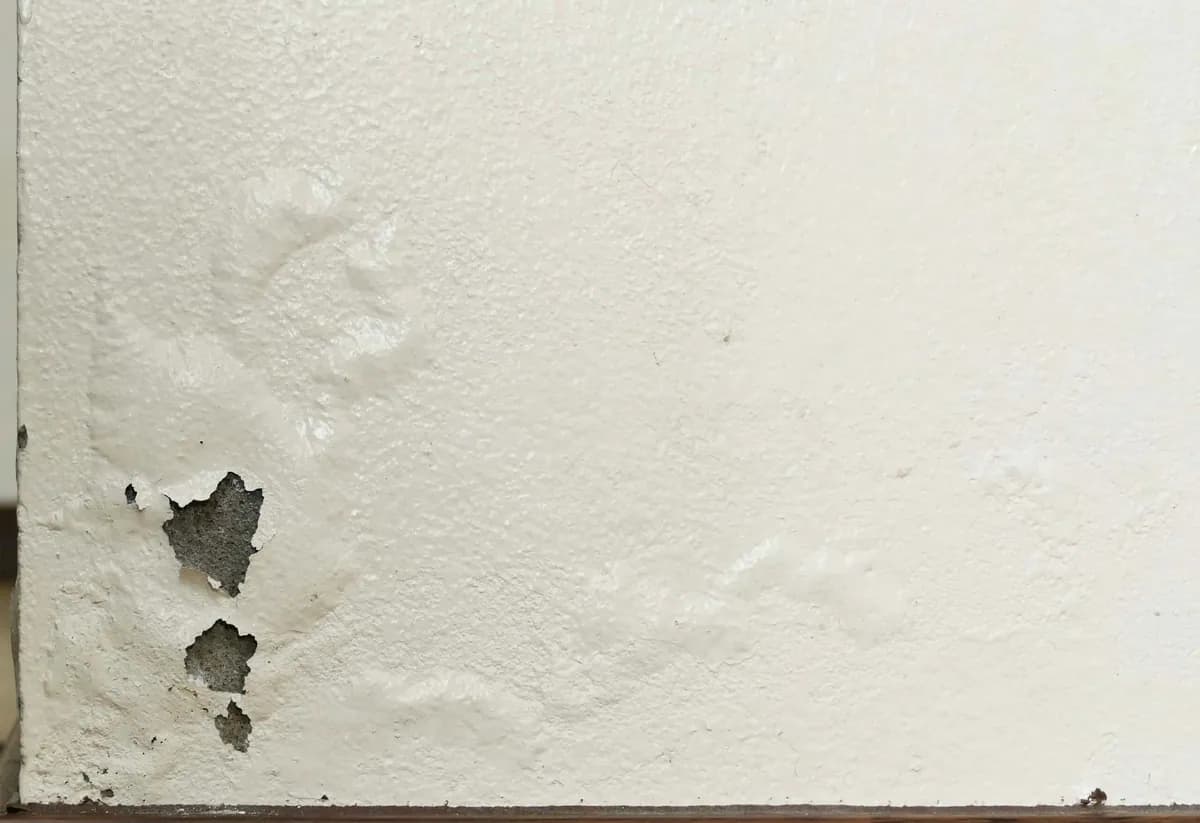
A pinhole leak is exactly what it sounds like: a hole in a copper water line so small you might never see it. It sprays a fine mist or weeps a few drops at a time. Because it is so small, it can run for weeks inside a wall or above a ceiling before anyone notices, and by then the damage is much bigger than the hole.
Many Cedar Rapids homes built from the 1950s through the 1990s were plumbed in copper, and a lot of that pipe is now old enough for pinholes to start showing up.
Why Pinhole Leaks Happen
Copper corrodes slowly from the inside. Over decades, small pits form on the inner wall of the pipe. Eventually one wears all the way through. Several things speed it up:
- Age. Copper installed 40 or more years ago is more likely to have deep pitting.
- Water chemistry. The minerals and treatment in a water supply affect how fast copper corrodes. Homes on private wells around Ely and Fairfax can see different patterns than homes on city water.
- Water speed. Undersized lines, sharp bends and recirculating hot water loops wear the pipe faster.
- Poor joints. Excess flux left inside fittings during original installation can start corrosion at that spot.
Signs You Might Have One
- A small stain on a ceiling under a bathroom or kitchen
- Paint that bubbles or drywall that feels soft
- A musty smell in one room or closet
- The sound of running water when every tap is off
- A water meter that keeps moving with nothing running
- Green or blue spots on exposed copper in the basement
A quick meter test: turn off every fixture, note the meter reading, wait an hour without using water and check again. Any movement means water is going somewhere. Our hidden water damage signs guide covers more of these clues.
What to Do When You Find One
- Shut off the water to that line, or the whole house at the main valve. See our shutoff valve guide.
- Photograph the leak and any staining before anything is cut open.
- Call a plumber to replace the failed section. If one pinhole has appeared, ask them to look at the condition of the rest of the run.
- Get the wet materials checked. The plumbing fix stops new water. It does not dry what is already wet.
Why the Hidden Water Matters
A slow leak wets the back of drywall, the insulation in the wall and the wood framing or subfloor beneath it. None of that dries on its own inside a closed cavity. Within a few days, mold can start growing on the paper face of drywall and on wood. See mold after water damage.
A restoration crew uses moisture meters and thermal imaging to find the edges of the wet area, then removes only what cannot be dried and sets up air movers and dehumidifiers to dry the rest. Our wet drywall guide explains how that decision is made, and structural drying covers the drying process.
When One Pinhole Becomes Many
If your home has had two or three pinhole leaks in a few years, the copper itself may be at the end of its life. Many homeowners in older parts of northwest Cedar Rapids and southeast Cedar Rapids choose to repipe rather than keep chasing leaks. That is a plumbing decision, but it is worth making before the next leak opens up above a finished ceiling.
For more on aging plumbing in local homes, see water damage in older Cedar Rapids homes.