
Water Extraction in Marion, IA: Getting Standing Water Out of Your Home
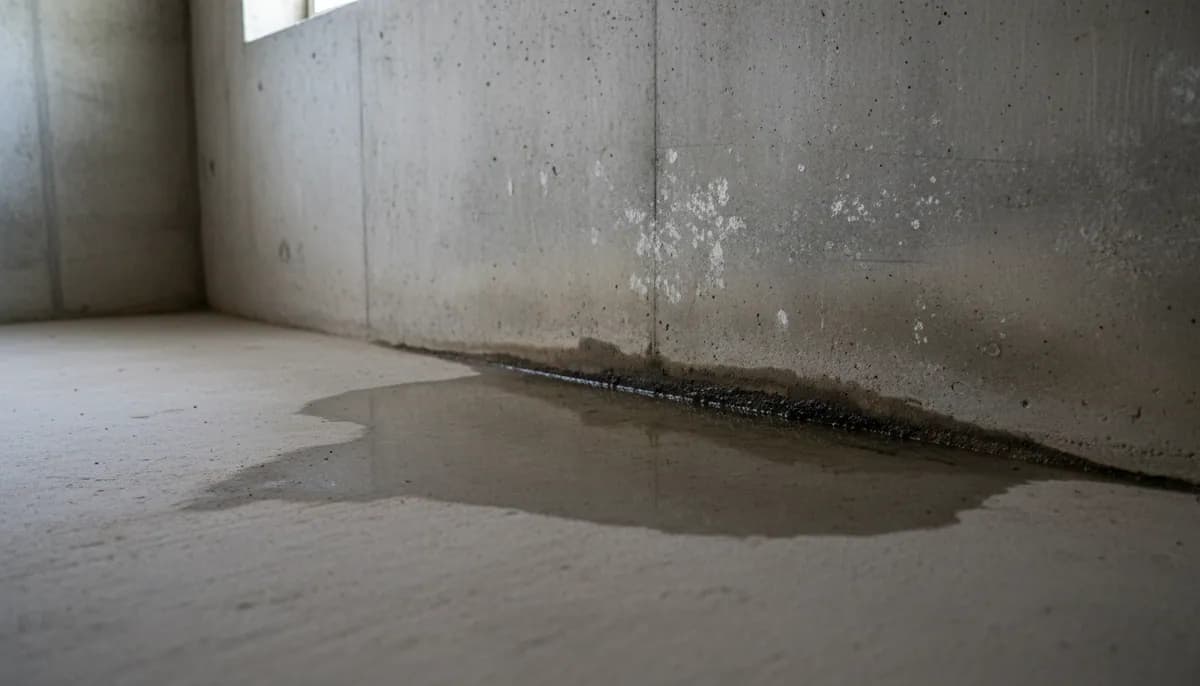
When water is standing in a Marion home, every hour it stays there it moves further: into carpet pad, up drywall, under baseboards and into the subfloor. Water extraction is the step that stops that spread. It is also the step that decides how long everything after it takes.
This guide explains what extraction is, why it is urgent, and what has to happen after the water is gone. For more on how water damage tends to happen in Marion homes, see our Marion service area page.
Where the Water Usually Comes From
Marion has a mix of older homes near the uptown area and newer subdivisions on the north and east sides, and the causes follow the housing.
- Sump pump failures in newer homes with finished basements. See sump pump failure.
- Burst and frozen pipes, especially lines along exterior walls and in garages. See burst pipe guide.
- Appliance leaks from washing machines, dishwashers, ice makers and water heaters. See washing machine leaks and dishwasher and ice maker leaks.
- Aging supply lines and fittings in older homes, which tend to fail at joints and valves.
Why Extraction Is Urgent
Water does three kinds of damage, and they run on different clocks.
Wicking. Drywall and wood draw water upward. A quarter inch of water on the floor can wet a wall a foot or more above it within a day.
Swelling and delamination. Laminate, engineered flooring, particleboard and cabinet bases start to swell within hours and often cannot be saved once they do.
Mold. On wet drywall, wood and carpet backing, growth can begin in roughly 24 to 48 hours. Getting the bulk of the water out early is the single biggest factor in avoiding mold remediation later.
How Professional Extraction Works
- Find and stop the source, and make sure power is safe in the affected area.
- Map the water. Moisture meters and thermal cameras show how far it has travelled under flooring and into walls, which is usually further than it looks.
- Extract standing water with truck-mounted or portable units.
- Extract from carpet and pad with weighted extraction tools that press water out of the layers below.
- Remove what cannot be dried, typically pad and the lower part of saturated drywall.
- Set up drying equipment and begin daily moisture readings.
The full service is described on our water extraction page.
After the Water Is Out
Extraction gets the liquid out. What is left is moisture inside materials, and that is removed by structural drying over the following days. The job is done when the readings are back to normal for the material, not when the carpet feels dry. If you want a sense of the timeline, our restoration timeline guide walks through it, and the Iowa insurance claim guide covers documenting the loss.
What You Can Do Before Help Arrives
- Shut off the water at the main valve if the source is a pipe or appliance.
- Photograph the water, the source and damaged items.
- Move electronics, rugs and valuables out of the wet area.
- Put foil or blocks under furniture legs on wet carpet.
- Open interior doors to help air move, but do not run a ceiling fan over a wet ceiling.
Then call. We will connect you with a participating restoration provider in the Marion area who can assess the damage and start extraction.