
Basement Water Cleanup in Hiawatha, IA: What Happens Next and Who to Call
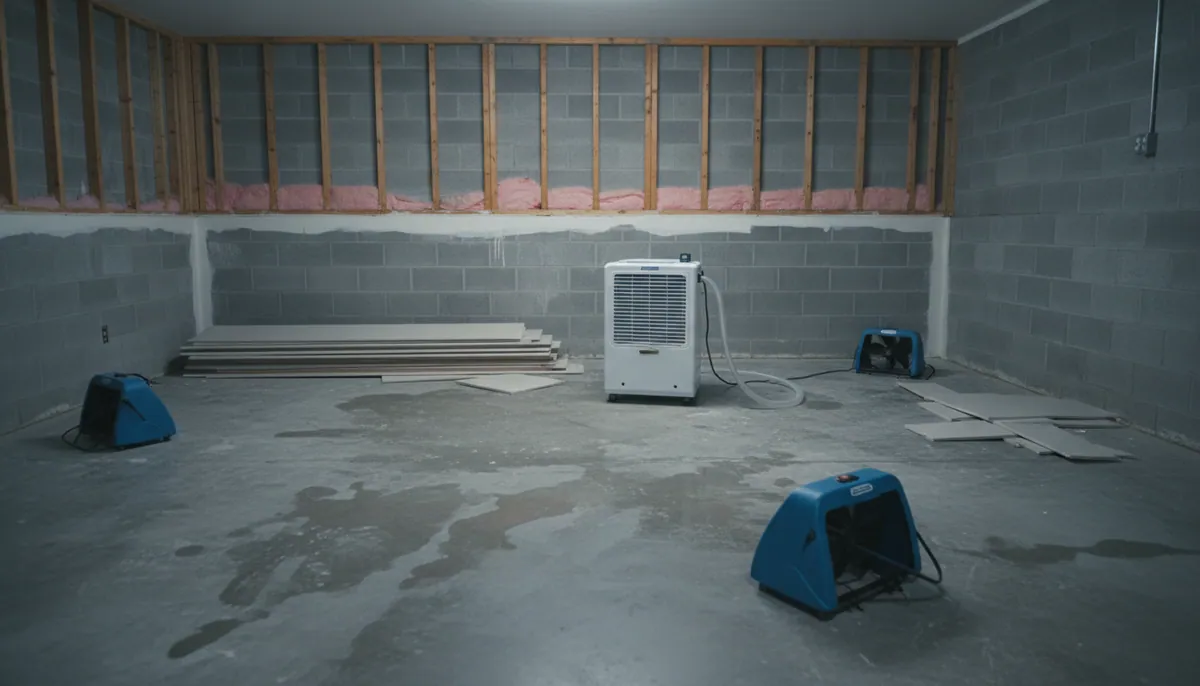
Hiawatha is one of the newer parts of the Cedar Rapids metro, and a lot of its homes were built with finished or partly finished basements and a sump pit in the corner. That combination means that when something goes wrong with water, it usually goes wrong downstairs, and it usually lands on carpet, drywall and whatever is stored on the floor.
This guide covers the first hour, what a proper cleanup involves, and how to tell whether you are dealing with a weekend job or a professional dry-out. For the bigger picture on Hiawatha homes, see our Hiawatha service area page.
The Four Usual Causes in Hiawatha Basements
A failed or overwhelmed sump pump. The most common by far. Pumps fail from age, a stuck float switch, a power outage during heavy rain, or a discharge line that froze in winter. Our sump pump failure guide covers the warning signs.
A burst or leaking supply line. Water lines in unheated corners, or the line to an outside spigot, can split in a January cold snap. See frozen pipes in Iowa winters.
The water heater. Most sit in the basement, and an aging tank can go from a slow drip to a full release of 40 or 50 gallons. See water heater leaks.
Seepage through the foundation. After a long wet spell, water can push through floor cracks and wall joints. It is slower, but it soaks carpet pad and the bottom of finished walls just as thoroughly. See basement water after heavy rain.
The First Hour
- Stay safe. If water is near outlets, cords or the furnace and you cannot reach the breaker panel without stepping in it, do not go down. Call your utility.
- Stop the source. Shut the main water valve for a pipe or water heater leak. Our shutoff valve guide shows where it usually is.
- Photograph everything before you move it: the water line on the walls, the floor, damaged items and the source.
- Get valuables and electronics up and off the floor, and lift furniture onto blocks or foil.
- Call your insurer to open a claim, then call for a professional assessment if more than a corner is wet.
What Professional Cleanup Involves
Extraction. Truck-mounted or portable extraction pulls standing water and the water held in carpet. The more water removed at this stage, the shorter the drying. See water extraction.
Removing what cannot be saved. Carpet pad almost always comes out. Drywall that wicked water up from the floor is usually cut a couple of feet above the wet line so the wall cavity can dry. Our drywall guide explains how that decision is made.
Drying. Air movers and dehumidifiers run for several days while moisture readings are taken daily. Basements dry slower than upstairs rooms because concrete holds water and the air is cooler. See structural drying.
Checking for mold. Mold can start on wet drywall and wood within a couple of days. If a basement sat wet for a while before anyone found it, a mold check belongs in the plan. See mold after water damage in Hiawatha.
When It Is More Than a Weekend Job
- Carpet and pad are wet across more than one room.
- Water has wicked up finished walls.
- The water sat for more than a day or two before you found it.
- The basement smells musty even after the floor looks dry.
- The water came from outside or from a floor drain, rather than a clean supply line.
Any one of those is a reason to have moisture measured rather than guessed. Call and we will connect you with a local restoration provider who can assess the basement and set out a drying plan.